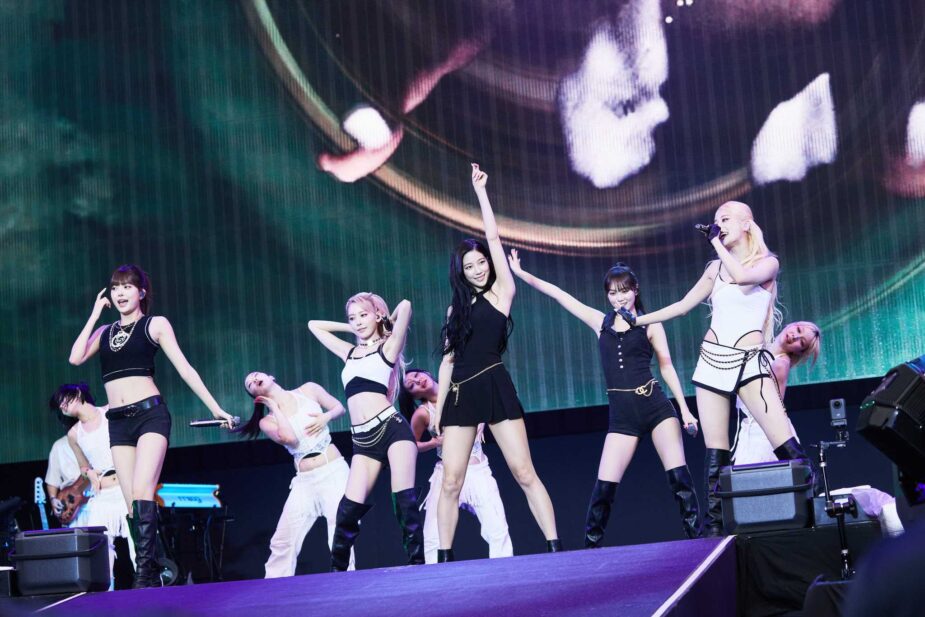

The journey of Team Yuma, the talented girl group from the highly anticipated JYP Entertainment and Republic Records survival show “A2K” (America2Korea), has been closely followed by K-Pop fans worldwide. As these aspiring idols work towards debuting in VCHA, a global group aiming to bridge cultures, every step is scrutinized. Recently, however, the team found themselves at the center of a social media storm due to an unfortunate choice of words that sparked significant backlash.
“Korean Call” Sparks Controversy Among Fans
The incident unfolded when Team Yuma’s official accounts, managed by Republic Records, posted an announcement regarding an upcoming fan interaction. The post referred to these interactions as “Korean calls” for fans. What might have seemed like an innocuous term intended to describe a fan meet-up in a Korean style quickly drew sharp criticism from the K-Pop community. The term “Korean call” is, in fact, a deeply offensive and derogatory slang term used to refer to sex workers in certain contexts, particularly in English-speaking communities where the phrase has taken on a negative connotation.
Fans were quick to point out the problematic nature of the phrase, highlighting the cultural insensitivity and the potential harm it could cause. The outcry was immediate and widespread, with many expressing disappointment that a global group, particularly one aiming to represent a fusion of cultures, would use such an ill-informed term. The incident underscored the crucial need for cultural diligence, especially when targeting a diverse, international audience.
JYP & Republic Records Issue Apology and Explanation
In response to the mounting criticism, Republic Records, the label managing Team Yuma’s English-language communications, swiftly took action. They issued an apology, acknowledging the mistake and explaining the misunderstanding behind the phrase’s usage. The company clarified that the term was used unintentionally, stemming from a misinterpretation and language barrier regarding the type of fan interaction planned. They stated that the intention was simply to refer to a fan call event.
Crucially, the label confirmed that they had immediately changed the term to the more appropriate and universally understood “fan call” in all subsequent communications. This quick corrective measure was largely seen as a positive step, demonstrating a willingness to listen to fan feedback and rectify errors. The incident serves as a stark reminder that even well-intentioned phrases can have vastly different meanings across cultures, necessitating thorough research and sensitivity.
Fan Reactions and The Path Forward
The K-Pop fandom’s reaction to the apology was mixed. While many appreciated the prompt response and the explanation, some continued to express concern, emphasizing the importance of having culturally competent teams handle communications for groups with global aspirations. Others were more forgiving, understanding that genuine mistakes can happen, especially with teams working across different languages and cultural nuances.
Ultimately, this incident highlights a significant challenge and opportunity for K-Pop groups expanding globally. As groups like VCHA aim to connect with fans worldwide, understanding the diverse cultural contexts and sensitivities of their audience becomes paramount. This situation with Team Yuma serves as a valuable learning experience for all involved, reinforcing the idea that effective global communication in K-Pop requires not just linguistic proficiency but also deep cultural awareness and respect. The focus now shifts back to Team Yuma’s talent and their journey to debut, hopefully with a renewed commitment to sensitive and inclusive communication.