
LE SSERAFIM’s Summer Sonic 2026 Performance Draws Attention
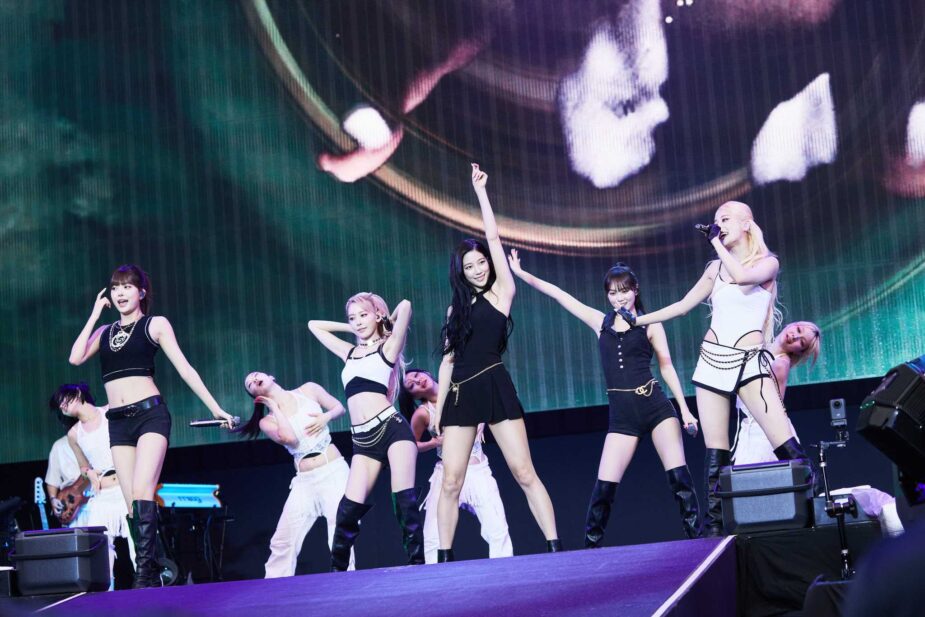
Recently, reviews regarding LE SSERAFIM’s performance at Japan’s Summer Sonic 2026 began pouring out online. The highly anticipated stage at one of Japan’s biggest music festivals was expected to be a highlight for fans and a significant moment for the group’s growing international presence, following their rapid rise in the global K-Pop scene.
Allegations of Lip-Syncing Emerge
However, the post-performance chatter quickly turned into a heated debate. While they received many positive responses, praising their stage presence, powerful choreography, and overall energetic delivery, some audience members and online critics raised concerns, accusing the group of allegedly lip-syncing throughout the performance. This wasn’t the first time a K-Pop group has faced such accusations, but the prominence of the Summer Sonic festival amplified the discussion.
Critics specifically called them out for what they believed was a pre-recorded entire set. The claims escalated when fans pointed to specific moments during the performance, alleging that minor onstage mistakes made by members Yunjin and Sakura inadvertently exposed the use of pre-recorded audio. These moments were quickly circulated across social media platforms, fueling the controversy and drawing comparisons to previous live vocal debates that have periodically surfaced within the K-Pop industry.
LE SSERAFIM pre recorded their entire set for their Summer Sonic performance, but Yunjin and Sakura’s mistake exposed them. pic.twitter.com/N9wZesi51J
— Hate Base (@TheHateBase) August 16, 2026
Netizens Divided Over Live Vocal Debate
However, netizens were divided after seeing the performance. The fan community, as well as general K-Pop enthusiasts, offered a spectrum of opinions, ranging from staunch defense of the group to agreement with the critics. The nuances of live performance in K-Pop, which often involve a blend of live vocals with various levels of backing tracks (such as AR – All Recorded or MR – Music Recorded without vocals), make these discussions inherently complex. Some argued that using backing tracks is a standard and necessary practice, especially at large-scale festival stages where technical difficulties, demanding choreography, and strict schedules are common. Others, however, insisted on the paramount importance of raw, unadulterated live vocals, particularly from a group known for its strong performance capabilities and vocal talent.




The online forum discussions and social media comments reflected this sharp division, with various perspectives emerging. Fans and critics shared their observations: “After seeing the video, it is truly different. It’s not completely live, since there is AR in the back, but it is still live.” “The in-person live was good, though?” “What’s going on? Didn’t everyone say they did well just a few hours ago?” “It’s disappointing to see them doing this at a concert…it looks just like a music broadcast pre-recording.” “Even just listening to it, it doesn’t sound like live vocals.” “They only do lip-sync LOL… their skills don’t improve.” These comments collectively highlight the ongoing tension between fan expectations for authentic live vocals and the practical realities and production demands of modern K-Pop performances.
The controversy surrounding LE SSERAFIM’s Summer Sonic 2026 appearance once again brings the focus onto the ever-present debate regarding live singing versus pre-recorded elements in K-Pop performances. While the group undeniably delivered a visually captivating and high-energy stage, the discussion about their vocal delivery continues to resonate, leaving many to wonder about the future standards and audience expectations for live performances in the industry.