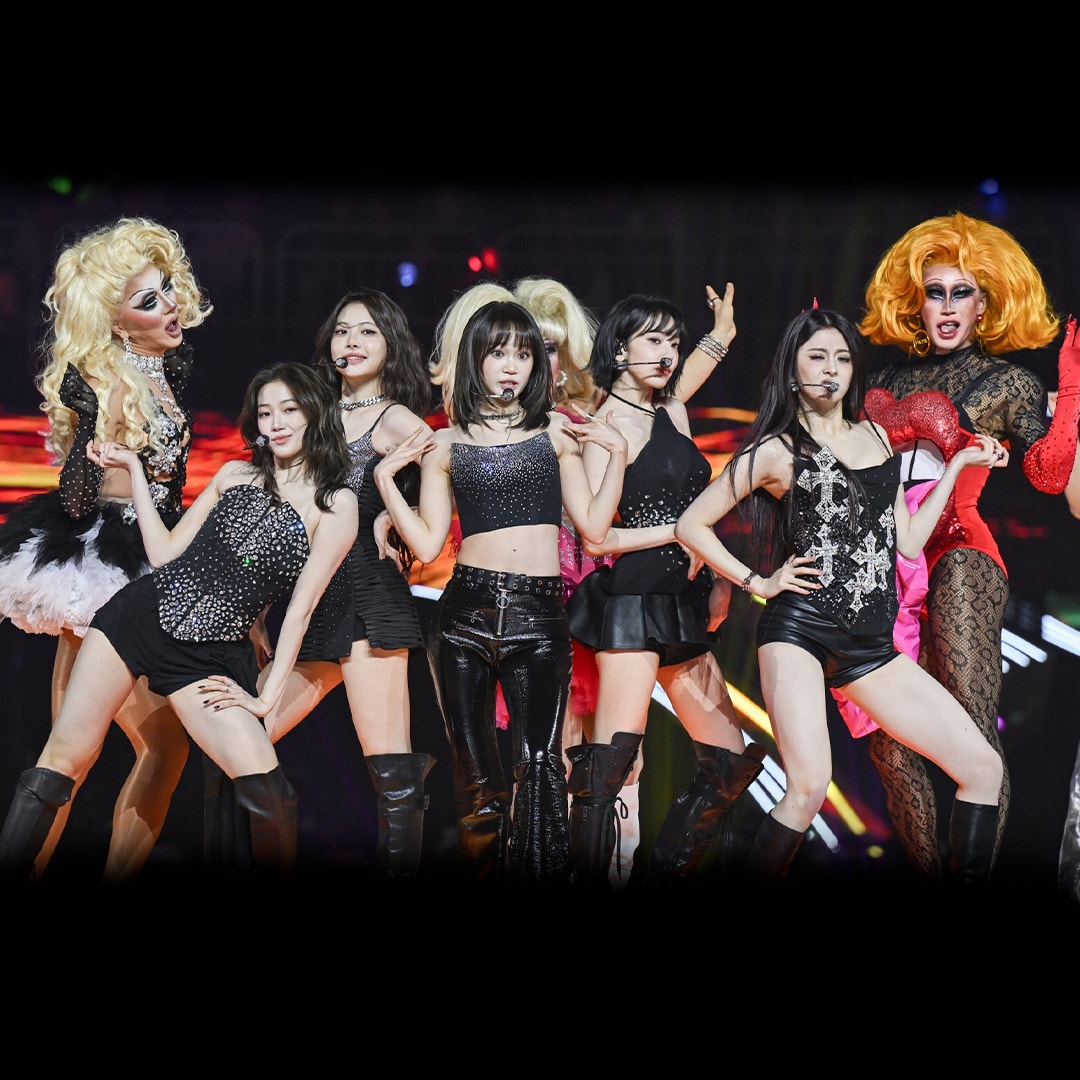

(G)I-DLE’s “Gimme Dat Love” Faces Intense Backlash, Fans Divided
The K-Pop world is buzzing, but not for the usual celebratory reasons, as powerhouse girl group (G)I-DLE finds themselves at the center of a fresh wave of online controversy. Their latest release, “Gimme Dat Love,” has become an unexpected target, drawing significant criticism and backlash from netizens across social media platforms. The sentiment, echoed by many, started with stark comments like “Already hate the song…” setting a contentious tone from the outset.

The group recently came out with the track “Gimme Dat Love.” From the moment the official music video debuted, the track ignited a fiery debate online.
When the video was posted, the track gained a lot of criticism. The initial reactions poured in swiftly, with many expressing disappointment or confusion over the new sound and concept. However, the discussion took an even more intense turn when the focus shifted to a specific platform.
TikTok Amplifies Criticism and Specific Concerns Emerge
is that the chorus https://t.co/yrpqS6upee
— 갈로르 (@galorbie) July 6, 2026
how did they manage to make a worse song than crow ns https://t.co/dea54QLWCU
— ؘ (@kyukicoded) July 6, 2026
it seems like a trend nowadays for kpop releases to have repetitive choruses and I don’t like it https://t.co/GZwnQjFr1k
— َ (@residentevxn) July 6, 2026
20 seconds in and I already hate the song https://t.co/JZbm4RficT
— BLACKMAMBA (@THEOGBLACKMAMBA) July 6, 2026
Yet, while some fans loved the song and defended the group, when it came to the TikTok pinned to the group’s account, the conversation escalated dramatically. It was here, on the highly viral short-form video platform, that the backlash truly amplified.
@official_i_dle Come gimme that ❤️🔥 #아이들 #idle #We_made #Gimme_Dat_Love
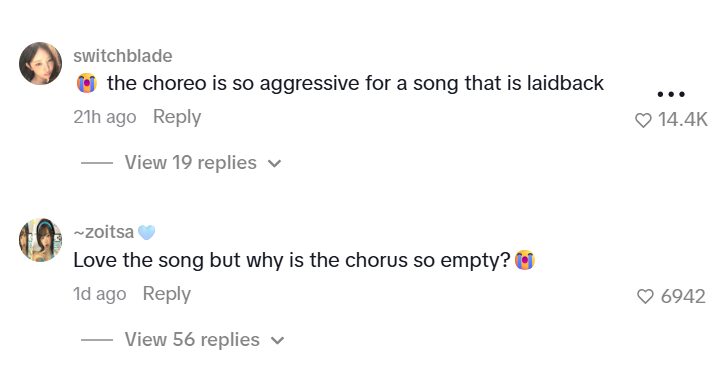
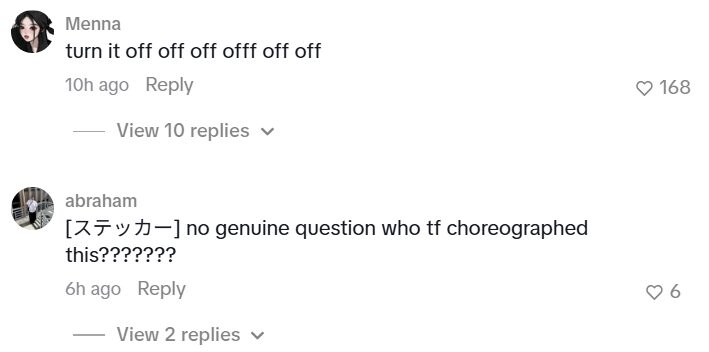
The comments were full of major criticism. Some hit back at member Shuhua’s dancing, others at the choreography in general, while some even spoke about the “downfall” of the group when it came to the quality of music. This level of granular criticism, focusing on individual members’ performances and the overall artistic direction, is particularly sharp for a group known for its strong stage presence and unique musical identity. The specific call-outs regarding Shuhua’s performance, alongside broader concerns about the choreography, suggest a deeper dissatisfaction among a segment of the audience with the group’s recent artistic choices.
Fandom Defends (G)I-DLE Amidst Industry Scrutiny
 The debate has spurred a divide within the fandom, with Neverland—(G)I-DLE’s dedicated fanbase—rushing to defend their idols against what they perceive as unfair or overly harsh judgments. They highlight the group’s consistent innovation and artistic integrity, arguing that every release might not resonate with everyone but deserves respect for its creative effort. This strong defensive stance is common in K-Pop, where fan loyalty often pits them against external criticism, showcasing the deep emotional investment fans have in their favorite groups.
 This incident reflects a recurring challenge in the fast-paced K-Pop industry, where every comeback is met with intense scrutiny. Groups constantly balance artistic expression with fan expectations, and a deviation from perceived norms can often lead to significant online discourse, both positive and negative. (G)I-DLE, known for their self-producing prowess and daring concepts, has always pushed boundaries, and this situation underscores the fine line artists walk between evolving their sound and maintaining fan satisfaction.
What’s Next for (G)I-DLE?
 This latest controversy surrounding “Gimme Dat Love” adds another chapter to their journey, leaving fans to wonder how the group and their agency will address the divided opinions and what impact this will have on their future releases. The K-Pop landscape is constantly shifting, and public perception, especially amplified by social media, can significantly influence an idol group’s trajectory.
 As the discussion continues to unfold, one thing remains clear: (G)I-DLE continues to command attention, whether through critically acclaimed hits or polarizing new ventures. The conversation around “Gimme Dat Love” is far from over, highlighting the passionate nature of K-Pop fandom and the ever-present challenge of meeting diverse expectations. It serves as a reminder that even established groups face a constant battle to innovate while retaining their core audience’s approval.