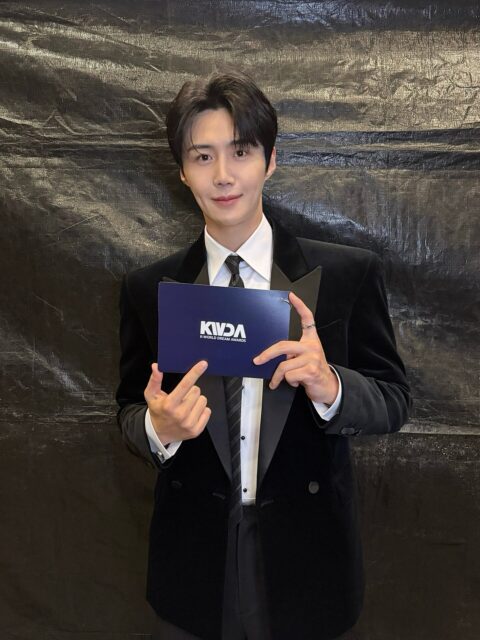
Recently, THE BOYZ‘s Kevin Moon shared his thoughts on a number of topics, including the K-Pop industry as a whole. His candid opinions quickly resonated across social media, sparking a significant discussion among fans and industry observers alike.
Kevin Moon’s Candid Critique
While he spoke about music, one part of his rant that stood out most to fans was the mention of the appropriation of queer and Black culture in K-Pop. He remarked that no actual “flowers” were given, despite the continued usage of the two cultures in music releases. This pointed critique highlighted a long-standing concern within the K-Pop community regarding how elements from these cultures are often adopted without proper acknowledgment or compensation.
He followed up by giving examples of using house music and featuring drag queens in music videos. These examples served to illustrate the specific ways he felt K-Pop groups and companies were utilizing cultural elements without truly supporting the communities from which they originated.
No but it’s all “we featured a drag queen” “we’re doing house now” but where’s the real recognition and celebration
— kevin moon (@kebeanmoon) August 28, 2026
The LE SSERAFIM Connection and Initial Backlash
The discussion took a swift turn when some fans began to interpret Kevin’s comments as direct commentary made about LE SSERAFIM. This interpretation quickly gained traction, fueling a new layer of controversy.
For their “Spaghetti” music video, LE SSERAFIM included multiple famous drag queens, and have released House genre songs. Given these recent activities, the connection seemed plausible to many, leading to assumptions that Kevin’s remarks were aimed at the popular girl group.
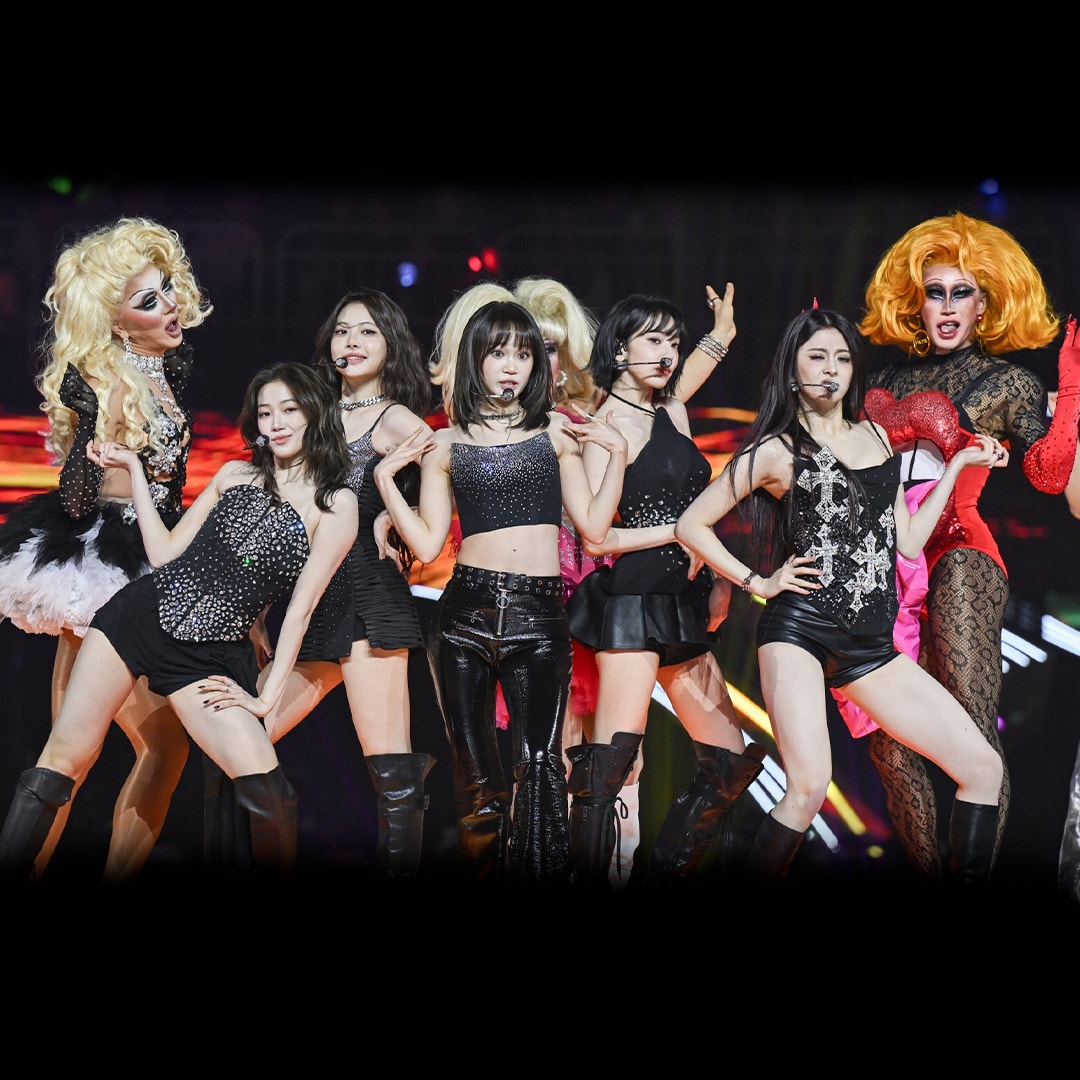
As a result, many attacked Kevin over the perceived “shade,” accusing him of being performative. The backlash saw fans defending LE SSERAFIM, arguing that Kevin’s comments were unfairly targeting a specific group and questioning his intentions behind the critique.
Just realised this is an idol.
Can’t believe you’re throwing shots at the group who has actually been super inclusive and loudly supports queer people
People who worked with them have been loud about how amazing and comfortable working with them wasGreat message, wrong example https://t.co/dQpQBkgLJZ
— vee⁺˚⋆。°✩₊🦋 (@vee_cynical) August 29, 2026
as a big fan of both le sserafim and the boyz it’s so disappointing to see especially kevin speak so ignorantly about queer recognition by lsrfm like this. le sserafim’s interaction and recognition with the queer community goes far beyond featuring a drag queen in an mv, cont+ https://t.co/2Y9ZcJ5bq8
— AJ | 不死 (@Lesseraphic) August 29, 2026
honestly Idk what your real intention is but a group of woman who done the representation correctly are literally getting drag because of your vague words, if u wanna make a mission of yourself please address it clearly, don’t be another blue checklist engagement farmer https://t.co/x198EMCoWI pic.twitter.com/nlJrKxob4P
— Atma (@ijbolyney) August 29, 2026
Defending Kevin: A Broader Industry Discussion
On the other hand, others pointed out that Kevin did not specifically name a group, and like with the rest of the thread, was likely talking about companies rather than groups. Supporters argued that his critique was directed at systemic issues within the K-Pop industry regarding cultural appropriation, rather than individual artists. This perspective shifted the conversation from an attack on one group to a broader examination of industry practices, emphasizing that artists often have limited control over their concepts and music production.
i understand the impulse to defend lsfm but they’re an example, not a target. hybe okayed drag queens and ballroom beats for their mvs but were calling kevin and chanhee homophobic slurs in internal documents. i fear you’re gonna have to give him a pass here. https://t.co/wubNAVc5dG
— john¹²⁷ 🛩️ (@computercart) August 29, 2026
This is what ppl talk abt when they mention the decline of media literacy, he’s literally talking about an entire industry, to which he’s also a tool but all you guys have in mind is what groups is he referring to and who is he dragging https://t.co/J7TTAMCyH0
— vina 🪷 (@ainaminh) August 29, 2026
reading comprehension on kpoptwt is abysmal why do people think he’s blaming the idols with no or little creative control rather than the companies. “uhm my idols support the queer community this can’t apply to them!!” exactly? so this isn’t about them?? https://t.co/Lxivv4d5GF
— mau 🔻 (@jellyiren) August 29, 2026
The debate sparked by Kevin Moon’s comments highlights an ongoing, vital conversation within K-Pop about cultural sensitivity, appropriation, and genuine appreciation. It underscores the responsibility of artists and companies to engage with diverse cultures respectfully and meaningfully.