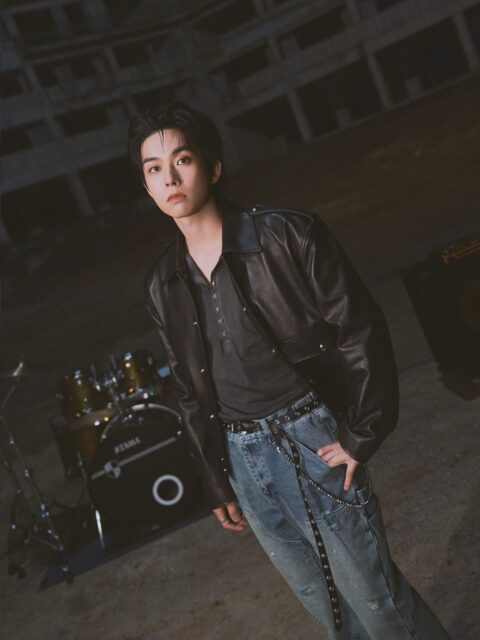
The K-Pop world is once again buzzing, but this time not over a comeback or a chart-topping hit. Instead, the spotlight is on Super Junior’s multifaceted star, Kim Heechul, who has unleashed his characteristic outspokenness in response to a deeply disrespectful blunder involving South Korea’s national flag. Known for his candid personality and unwavering patriotism, Heechul’s swift and furious reaction has drawn significant attention, highlighting the importance of national symbols within the entertainment industry and public events.
Heechul’s Passionate Outcry
The incident that ignited Heechul’s ire involved the improper display of the Taegeukgi, the revered Korean national flag. Specific details regarding the exact event or location of the “official banners” remain under wraps, but the visual offense was clear: the flag was depicted upside down. For any Korean, this is far more than a simple oversight; it’s a symbolic affront. As the news spread, Super Junior’s Kim Heechul reacts with fury to upside-down Korean flag on official banners . His powerful response, reportedly conveyed through his influential social media channels, immediately resonated across the K-Pop fan base and the wider Korean public. Heechul’s track record shows he’s never shied away from voicing his strong opinions, especially when it comes to matters of national pride or cultural respect, making his latest outburst both expected and impactful.
The Significance of the Taegeukgi Error
Understanding the depth of Heechul’s ‘fury’ requires an appreciation for the Taegeukgi itself. Far from just a piece of fabric, the flag is a potent symbol of South Korea’s history, struggles, and identity. Its intricate design, featuring the red and blue yin-yang symbol (Taegeuk) and four trigrams (Gwae) representing concepts like heaven, earth, fire, and water, carries profound philosophical and cultural meaning. Displaying it upside down isn’t merely an aesthetic error; it’s often interpreted as a sign of distress, a deliberate insult, or at best, gross negligence. In a nation where national pride runs deep and historical sensitivities are acute, such a public error on “official banners” is met with severe criticism. This isn’t just a K-Pop idol’s personal grievance; it echoes the sentiments of many citizens who view the flag as sacrosanct.
Industry Responsibility and Fan Reactions
Heechul’s public condemnation serves as a sharp reminder to event organizers, marketers, and anyone involved in creating public displays, particularly within the K-Pop industry’s global reach, of their immense responsibility. With K-Pop idols often acting as cultural ambassadors, errors like this can have far-reaching negative implications, potentially tarnishing the image of events or even the nation itself. Fans have largely rallied behind Heechul, praising his courage to speak out and emphasizing the importance of respecting national symbols. Social media platforms are awash with messages of support for Heechul and calls for greater diligence from those responsible for the banners. This incident underscores the powerful platform K-Pop stars wield, not just for entertainment, but also as voices for social and cultural correctness.
The incident involving the upside-down Taegeukgi and Kim Heechul’s passionate reaction is a significant moment that transcends typical K-Pop news. It highlights the deeply ingrained respect for national symbols in South Korea and the expectation for perfection, especially from official entities. As the discussion continues, it is hoped that this will serve as a valuable lesson for all involved in public representations, ensuring such errors are not repeated in the future.