Twice Approaches Second Crossroads: The Blackpink Question
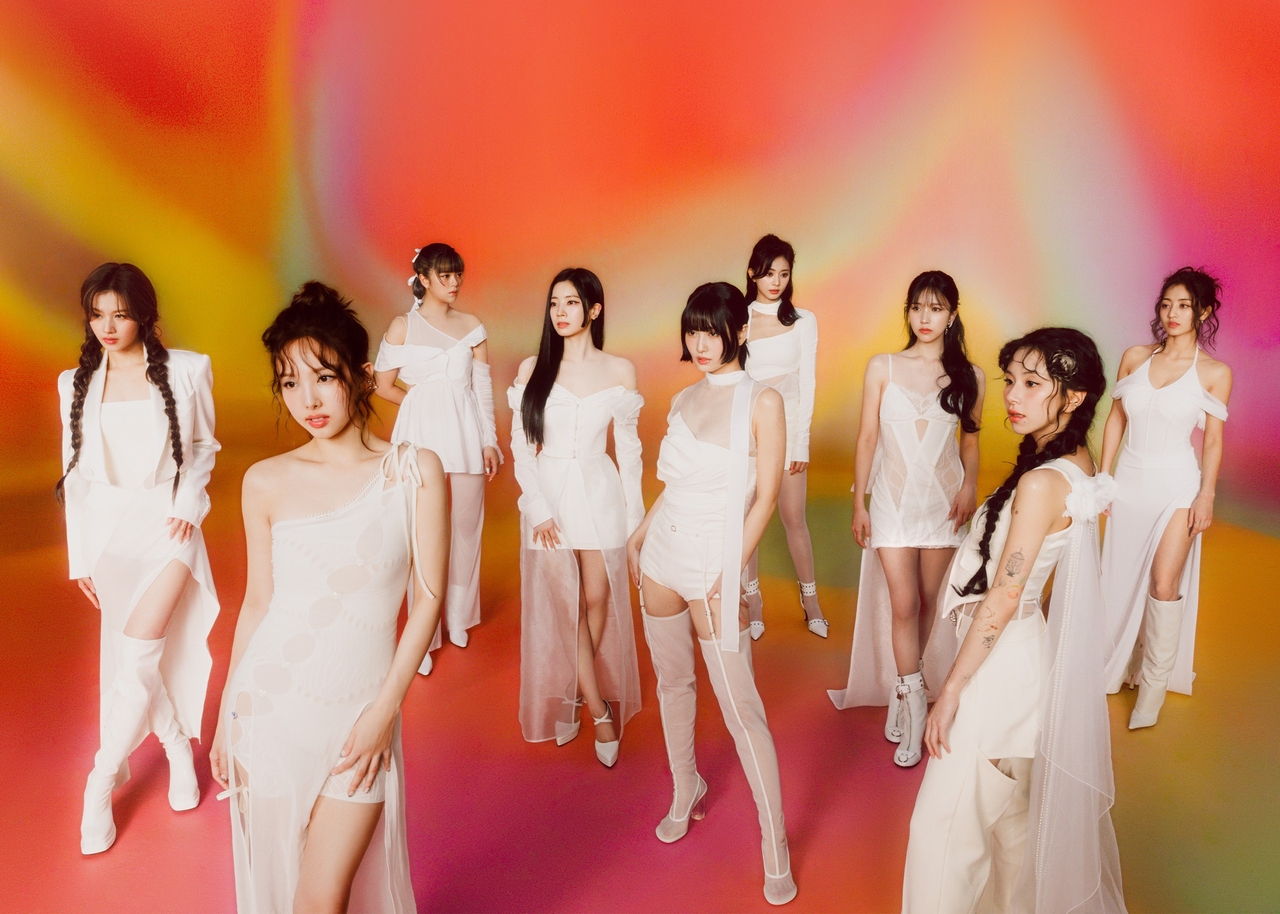
Twice, now in its 12th year after comfortably overcoming K-pop’s so-called “seven-year curse,” has reached another major crossroads as the group approaches a second contract renewal with JYP Entertainment. This pivotal moment has ignited widespread speculation across the K-pop landscape, especially with reports linking several members to agencies outside JYP. The central question: will the beloved nine-member act adopt a unique structure similar to global phenomenon Blackpink, pursuing individual activities under separate management while continuing group promotions with JYP?
Blackpink’s Hybrid Model: A Blueprint for Solo Success
Blackpink has become the most prominent and successful example of such an arrangement. After shrewdly ending their individual contracts with YG Entertainment in late 2023 while retaining only their group contract, Jennie, Lisa, and Jisoo established their own independent agencies. Rosé, meanwhile, signed with The Black Label. This strategic move allowed the members to significantly expand their solo careers across music, high fashion, and acting, all while Blackpink’s group activities, including a massive world tour running from July 2025 through January, continued successfully under their group contract.
Twice Members Eyeing New Agencies?
Twice, which famously renewed its contracts with JYP Entertainment as a full group in July 2022, is now facing a different scenario. Local media recently reported that Jeongyeon is reportedly in talks with Varo Entertainment, an agency notably home to her older sister, actor Gong Seung-yeon. Similarly, Taiwanese member Tzuyu has been linked to an agency founded by her mother in Taiwan, while separate reports suggest Chaeyoung and Jihyo are also actively exploring opportunities beyond JYP Entertainment. These developments fuel the fire of speculation, prompting fans to wonder about the future dynamics of the iconic group.
Why Twice Isn’t Blackpink: A Critic’s Perspective
However, music critic Lim Hee-yun believes that simply replicating Blackpink’s model might not be a straightforward fit for Twice. “Fundamentally, Blackpink and Twice are different,” Lim explains. “Blackpink built strong individual identities from the beginning, and there are only four members. It’s difficult to compare the two directly. Twice has been much more defined by its strength as a group, and it also has many more members. Individual members certainly have dedicated fan bases, but they are not comparable to those of Blackpink’s global reach.”
Solo Stardom: A Tale of Two Groups
The distinct difference in approach is also clearly reflected in each group’s solo presence and brand power. Every Blackpink member has cemented their status as a global ambassador for a major luxury fashion house – Jennie for Chanel, Lisa for Louis Vuitton, Jisoo for Dior, and Rosé for Saint Laurent – simultaneously building formidable careers as solo pop stars. In contrast, while Twice members – including Nayeon, Jihyo, and Tzuyu – have also released solo music, none have yet matched the level of global individual influence and brand endorsement enjoyed by Blackpink’s members.
The Challenge of Nine: Logistics and Earnings
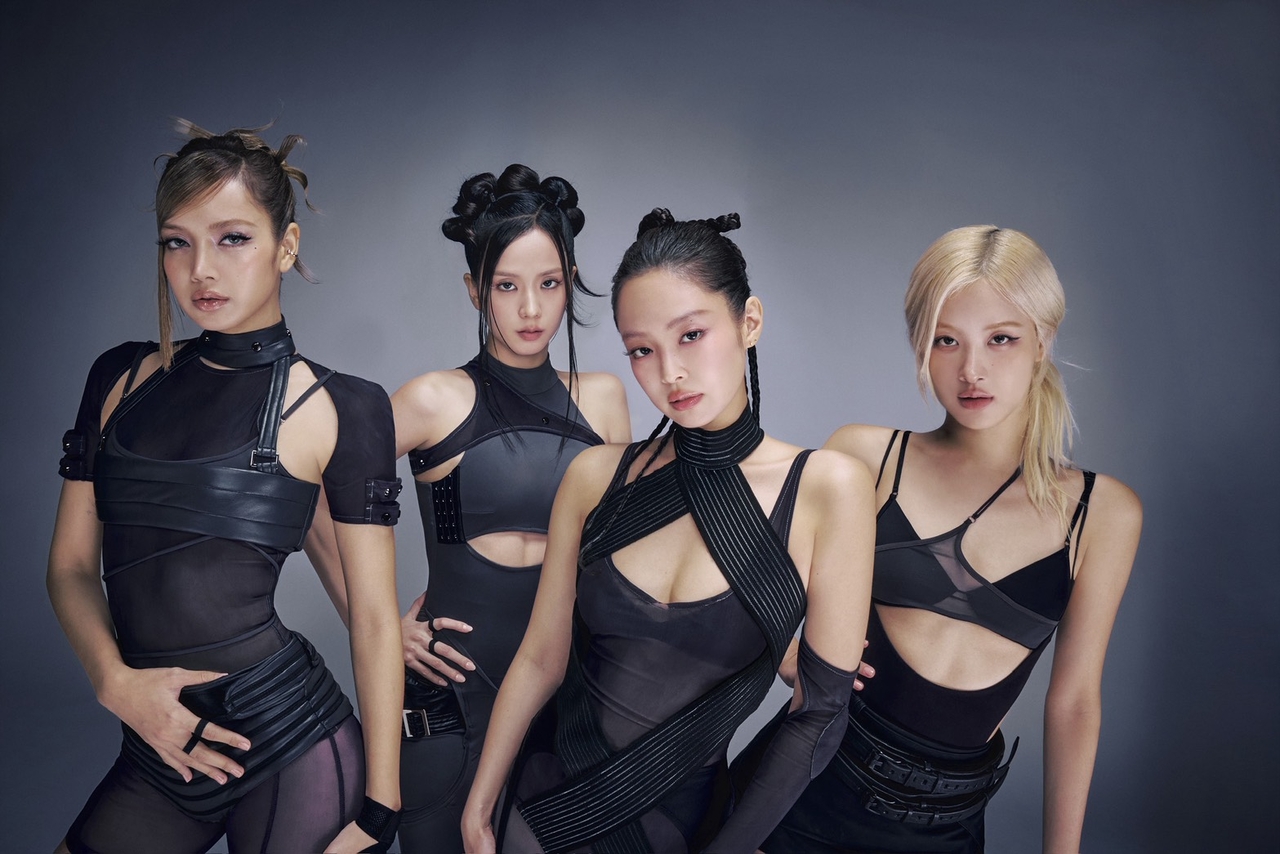
The group’s sheer size presents another significant challenge to adopting a hybrid management model. Coordinating schedules and logistics among nine members operating under potentially different agencies would undoubtedly prove considerably more difficult than it has for Blackpink’s more compact four-member lineup. Even Blackpink, despite their streamlined structure, saw their latest album arrive only after their world tour, a reversal of the typical K-pop cycle where new music usually precedes a major tour. This highlights the inherent complexities, even for smaller groups.
“As the social media landscape has changed, there are many more opportunities to generate income through brand partnerships, sponsorships, and influencer activities,” Lim Hee-yun points out. “When members remain tied to a single group contract, those earnings are often shared. If they manage their own individual activities, they can keep those profits themselves. That’s not unique to Twice; every idol member thinks about that.” This financial incentive is a strong driver for exploring independent management.
The Enduring Value of ‘Twice’
Still, Lim argues that the possibility of independent management for solo careers does not necessarily weaken the group’s core. On the contrary, he believes the members understand that much of their enduring long-term value and global appeal comes directly from Twice itself. “If you look at it from the opposite perspective, the members know that Twice is what gives them their greatest value,” he concludes. “That recognition could actually become a strong reason for them to stay together as a group, even if their solo careers are managed externally.”