
A screenshot circulating from a supposed SBS broadcast has stirred up a fiery conversation around AI-generated replacements of human employees. The K-Pop community and general public alike quickly tuned into the dramatic turn of events, highlighting concerns about technology’s rapid integration into everyday media.
The Viral Speculation: ‘Kim Sia’ Takes Over?
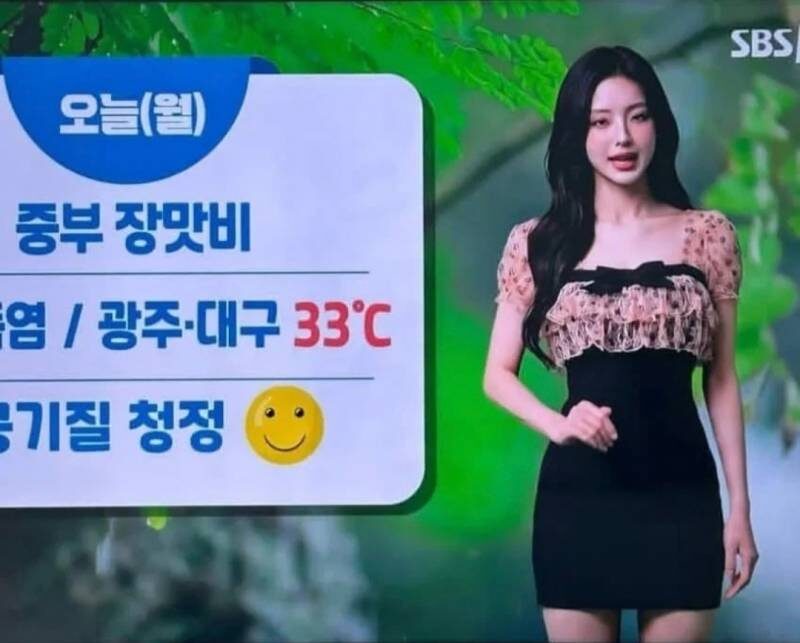
In the past week, social media has been abuzz with speculations that SBS, one of the three major national broadcasters in Korea, had replaced its human weather forecasters with an AI-generated model, supposedly named Kim Sia. These speculations were based on multiple screenshots of the weather program of the network, where the AI model was seen presenting the forecast, standing in front of a weather map.
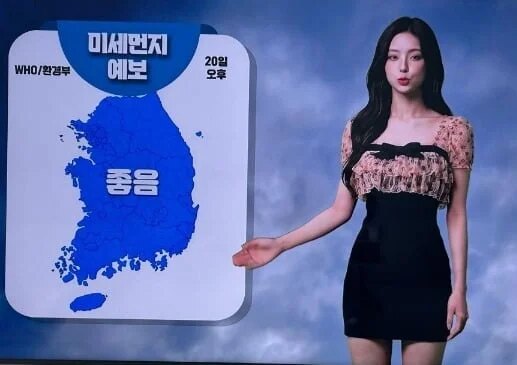
The realistic appearance of ‘Kim Sia’ quickly captivated audiences, making the initial rumors highly believable. Her smooth delivery and seemingly natural movements in the broadcast stills added fuel to the fire, prompting discussions across various online communities about the rapid advancement of artificial intelligence and its potential impact on traditional job roles within the entertainment and media industries. This sparked a wave of concern, especially in a country known for its highly competitive job market, where every job is fiercely contested.
Dual Concerns: Job Replacement and Objectification
While the novelty of an AI weathercaster was intriguing to some, the conversation quickly shifted to a heated debate. The primary concern among many internet users was the broader implication of AI systems taking over jobs traditionally held by humans. This wasn’t just about weather forecasting; it represented a potential slippery slope for other professions within broadcasting, especially given K-Pop’s reliance on human talent and connection.
As more people became aware of the situation, many netizens expressed concerns regarding AI-generated human figures replacing human beings in the workforce. Some, however, were also ticked off by the way the AI model was dressed in the photos. While weather forecasters are usually in formal attire, the model’s body-hugging short dress raised eyebrows, making people question whether this new technology would push for more objectification.

The choice of attire for the AI model became a particularly contentious point. Critics argued that even if it was an AI, presenting it in such a revealing and non-traditional outfit for a professional setting was unnecessary and potentially demeaning. This sparked a wider conversation about the portrayal of women in media and whether AI, rather than challenging existing biases, might inadvertently perpetuate or even amplify them. The online backlash grew swiftly, with many expressing their disapproval not just of the potential job displacement but also of the questionable styling choices made for the digital figure.

“Why don’t they just put her in a bikini next?’ “Seriously, the outfit is hilarious. Who wears something like that to work?” “It’s an AI—was it really necessary to dress it like that? If they were going to do this, they might as well have just had Pororo come out and explain things.” “But seriously, this shows how they view female weathercasters.” “That is truly low-class.”
The Truth Revealed: Not SBS, But K-Weather
However, on July 27 (KST), reports clarified that these pictures were taken from a YouTube channel operated by K-Weather, a weather and air quality service provider, and not actually from any weather report aired by SBS. While people were relieved by the realization that the AI-replacement craze had not found its way to traditional broadcasters as of yet, they are also left wondering if it is just a matter of time.
The incident serves as a stark reminder of how quickly rumors can spread online, especially when fueled by concerns about technology’s impact on society. It also highlights the ongoing ethical considerations that need to be addressed as AI becomes more sophisticated and integrated into our daily lives and media consumption.