
The K-Pop world is no stranger to heated debates, and recently, a familiar controversy has once again ignited online discussions. A member of a popular boy group has been accused of plagiarism. This time, the spotlight falls on Thai sensation PERSES, and specifically, member Jung.
Recently, Jung began building immense anticipation for the release of a solo project titled “Fly.” Fans were thrilled, eagerly awaiting his individual artistic expression.
The excitement reached a fever pitch when a captivating teaser video was released shortly before the full video. It featured the idol in a mysterious warehouse setting, with carefully curated clips layered over a spoken monologue, hinting at a deep and intricate concept.
UP TO THE SKY!
JUNG x F.HERO – ‘FLY’ MV Teaser
🔗 Watch now on Youtube : https://t.co/Ctgh2rfWW2
____________________DROP TOMORROW!
JUNG x F.HERO – ‘FLY’
[UNCENSORED SOLO PROJECT]
➤ Release on : 22.07.2026, 6PM (ICT)
➤ Youtube : gnest_official#FLY_JUNGxFHERO… pic.twitter.com/u2BRkPKBVb— GNEST (@gnest_official) July 21, 2026
However, the initial wave of excitement quickly turned into a storm of scrutiny. Eagle-eyed netizens were quick to point out unsettling similarities, raising serious issues with some of the now deleted teaser content. Comparisons began flooding social media, specifically drawing parallels to TXT Yeonjun‘s renowned solo releases and promotional material.
In deleted Instagram posts, Jung shared striking images of himself poolside. These particular visuals immediately sparked comparison to an Instagram post made by Yeonjun in October 2025, a post that notably advertised the release of his solo merchandise. The visual parallels were deemed too close to be a coincidence by many.
Jung of PERSES Teases “Fly,” But Controversy Soon Follows
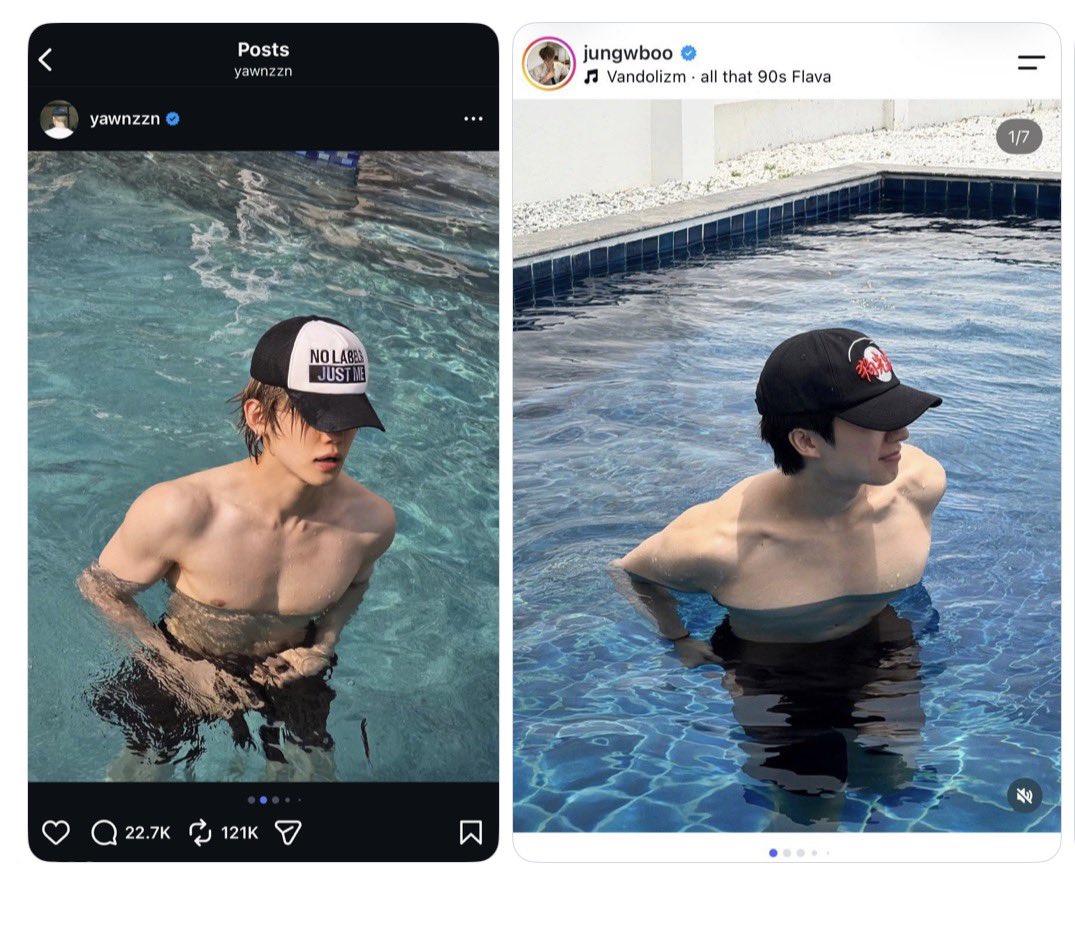 The initial social media buzz evolved into a full-blown fan discussion, with many questioning the originality of Jung’s solo debut concept.
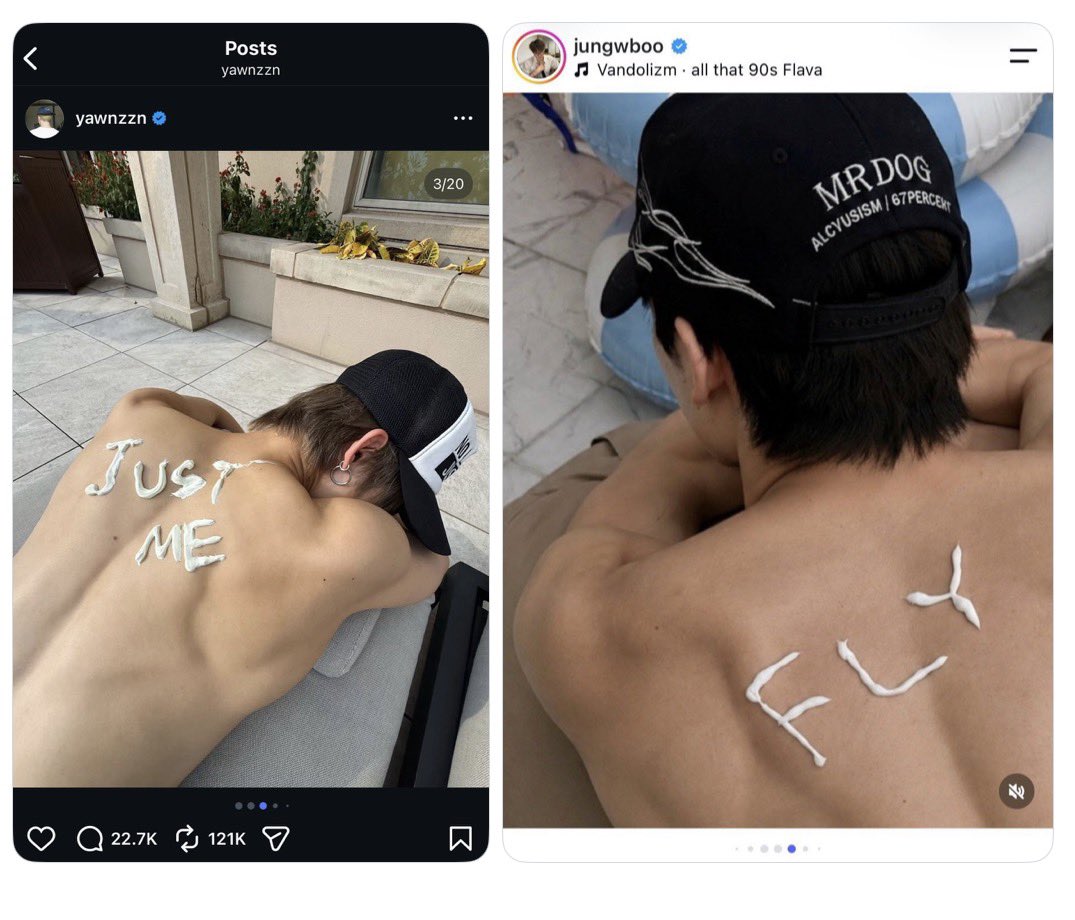 The controversy didn’t end with still images. As fans eagerly awaited the full “Fly” music video, the debate intensified.
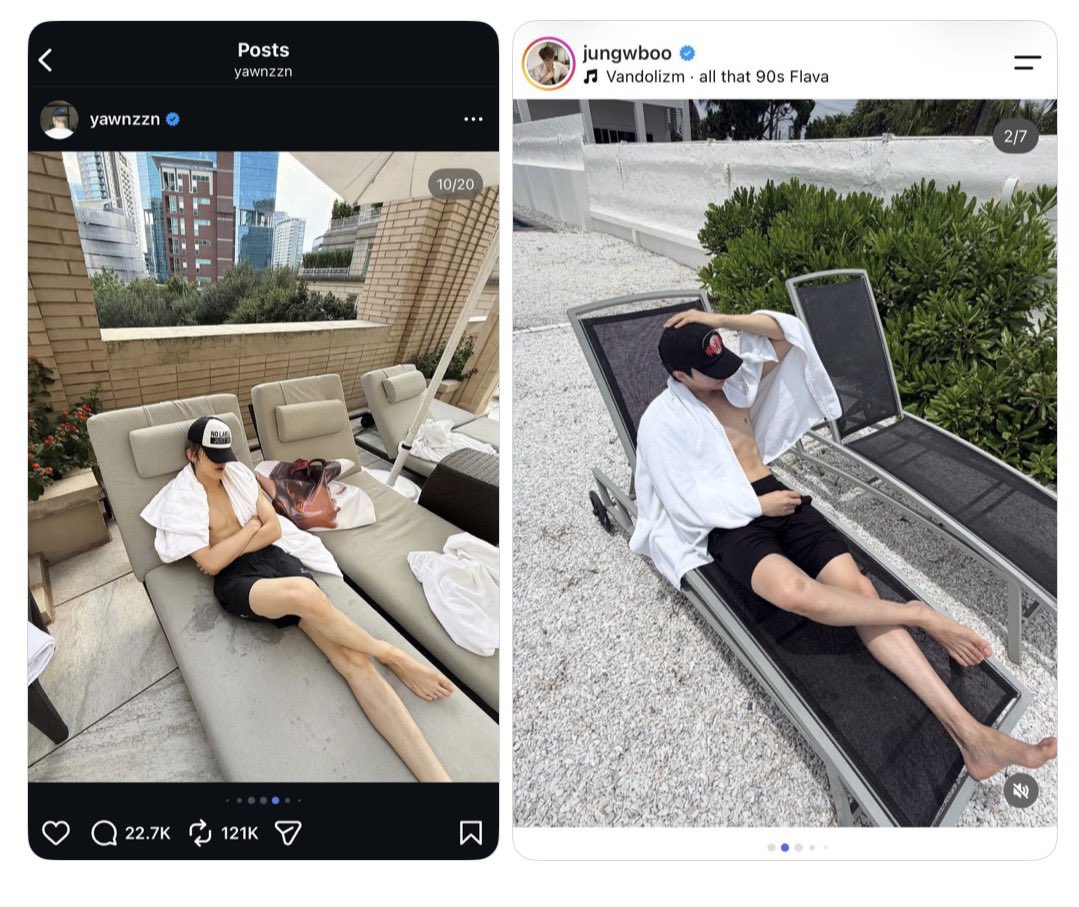 Upon its eventual release, the full video faced even more intense scrutiny.
After the video’s release, comparisons to Yeonjun’s critically acclaimed “Coma” music video and other promotional content from his highly conceptual project NO LABELS: Part 01 were directly drawn to several key sequences from “Fly.” Fans meticulously compiled side-by-side comparisons, highlighting specific shots, visual motifs, and even stylistic choices that appeared to mirror Yeonjun’s previous works. The sheer volume and specificity of these comparisons made it difficult for the agency or Jung to ignore.
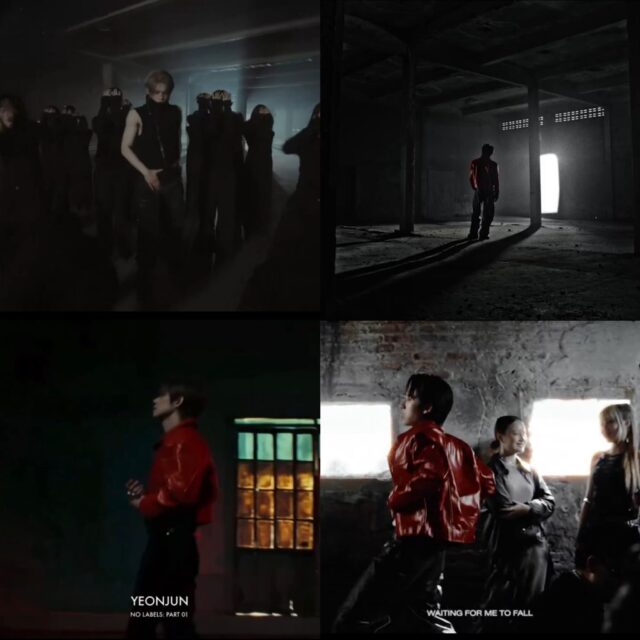 This detailed breakdown of similarities fueled a fierce debate online, with #Plagiarism becoming a trending topic across various platforms.
Agency Responds, Jung Offers Tearful Apology
As a direct result of continued and widespread complaints made to the idol’s agency, a much-anticipated official notice was finally released by his company. In the notice, the company addressed the growing concerns, stating that due to the issues presented, it had promptly removed the questioned images and video segments. However, the agency firmly maintained that there was no intentional plagiarism involved, suggesting any similarities were coincidental.
ประกาศจาก G’NEST
เรื่อง ชี้แจงเกี่ยวกับภาพโปรโมตเพลง “FLY” ของ JUNG ภายใต้ UNCENSORED SOLO PROJECT#FLY_JUNGxFHERO#PERSES_UNCENSORED#JUNG_PERSES #PERSES_TH#GNEST pic.twitter.com/WR78CpGRNp— GNEST (@gnest_official) July 22, 2026
Adding a deeply personal layer to the unfolding drama, Jung also shared his own heartfelt and tearful apology on Instagram live. Visibly emotional, he directly apologized to Yeonjun, the TXT member at the center of the comparisons, and to MOA, TXT’s dedicated fandom. He further extended his apology by sharing a concise tweet addressing the controversy, expressing his regret and understanding of the fans’ concerns.
This personal apology was met with a mix of reactions, but for many, it showcased Jung’s sincere remorse.
Fans Direct Anger at Agency, Not the Artist
Hello everyone, this is Jung.
I don’t think I explained things clearly enough in my earlier IG LIVE, so I’m writing this statement to clarify.
I take full responsibility for what happened. As an artist, I respect the work of everyone in this industry, both on stage and behind…
— Jungwboo (@jungwboo_) July 22, 2026
Interestingly, rather than expressing anger directly towards Jung, fans of both artists largely directed their frustration and anger towards his agency. The prevailing sentiment was that the agency had failed in its duty of care, specifically for not thoroughly checking the material and concepts before their release, thereby putting their artist in a compromising position.
So the agency put out a half-assed statement and made the artist take the hit instead.
Thankful for the apology but @gnest_official needs to do better for their own artist and respect other artist’s works. These kinds of things just shouldn’t happen https://t.co/rCiYGNnEBM— Jojo 🚫🏷 (@Jojo_nuna) July 22, 2026
The incident serves as a stark reminder of the intense scrutiny K-Pop artists and their teams face.
it’s great he acknowledge the situation quickly and showed his responsibility, but it really wasn’t for him to bear alone.. gnest you will catch these hands for sure i swear, they must’ve known how the situation has escalated and yet they made jung went live all by himself. when… https://t.co/Qj1T5kovCl
In an industry that thrives on unique concepts and fierce competition, originality remains paramount.
Someone on that team knew and GNest needs to do something about it cause right now Jung is taking the heat! I am glad that he at least came on and gave a much better statement and apology than the company gave! https://t.co/Pq8IBv0kPl
— LexiLouWho 🌈 (@LexiLouWho_92) July 22, 2026
Agencies are expected to uphold the highest standards of due diligence to protect their artists and maintain fan trust.
This controversy highlights the power of fan vigilance and the unwavering demand for authenticity in K-Pop. The industry, and particularly agencies, will undoubtedly learn valuable lessons from this situation, reinforcing the need for meticulous concept development and thorough review processes to avoid future misunderstandings.