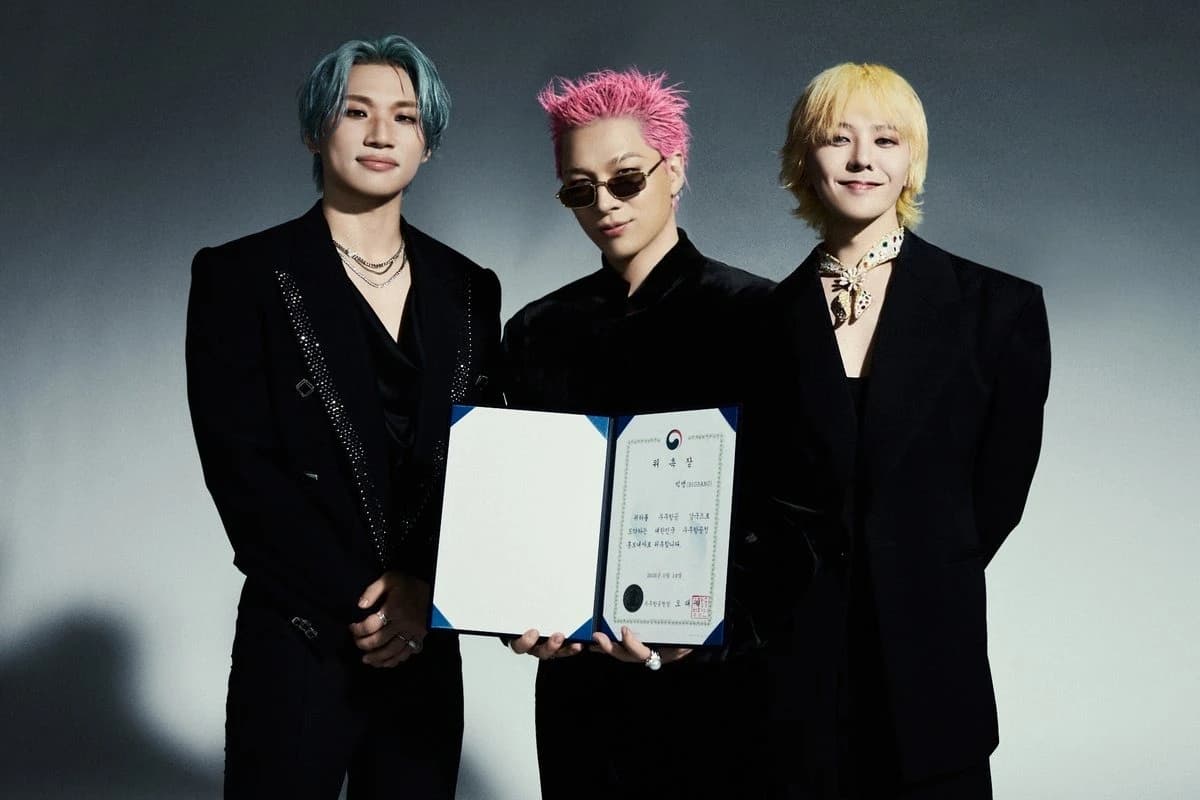
In the glittering world of K-Pop, where dreams are made and stars shine brightest, there lurks a darker shadow. Beyond the meticulously choreographed stages and adoring fan chants, a chilling undercurrent of fear plagues many idols: the urban legend of the “sasaeng taxi” and the terrifying specter of kidnapping attempts. This isn’t just a fan theory; it’s a cautionary tale, a whispered warning among the K-Pop community that blurs the lines between obsessive admiration and outright predator.
The Phantom Ride: What Are Sasaeng Taxis?
For those unfamiliar with the term, “sasaeng” refers to extreme, obsessive fans who engage in stalking and other intrusive behaviors. They are the dark underbelly of K-Pop fandom, known for invading privacy, harassing idols, and creating genuinely dangerous situations. The “sasaeng taxi” is a particularly sinister extension of this phenomenon. These are often unmarked vans or cars, sometimes disguised as legitimate taxis or even official company vehicles, that lie in wait outside dorms, studios, or event venues.
Their purpose? To follow idols, gather information, or, in the most terrifying scenarios, to attempt to intercept and abduct them. The fear is palpable: how can an idol differentiate between a legitimate ride and a potential predator when both appear similar, especially late at night or in unfamiliar surroundings? The stories circulating among fans and industry insiders paint a grim picture, fostering an environment of constant paranoia for these young stars.

Urban Legends & Real-Life Terrors
The tales are numerous and unsettling. Accounts speak of idols almost getting into the wrong car, only to be saved at the last moment by a manager or quick-thinking staff member. There are whispers of vehicles following idols for hours, attempting to cut them off, or even impersonating staff members to gain access. While concrete, publicly verified ‘kidnapping attempts’ are rare – largely due to the efforts of security and the idols’ agencies – the threat is very real and frequently reported in the context of sasaeng activities.
The psychological toll on idols is immense. Imagine living in a constant state of hyper-vigilance, unable to trust a seemingly innocent vehicle, always questioning the motives behind every glance. This fear is not baseless; it’s fueled by numerous documented sasaeng incidents, from breaking into dorms and stealing personal items to installing tracking devices on cars and physically assaulting idols at airports. These incidents reinforce the idea that sasaengs are capable of crossing any boundary, making the ‘fake taxi’ urban legend feel all too plausible.
The ‘Kidnapping Attempt’ Narratives
One of the most persistent narratives revolves around idols narrowly escaping these fake taxis. Picture this: exhausted after a late-night practice, an idol walks out of their agency building, expecting their official car. A vehicle, looking identical to their usual ride, pulls up. Without a second thought, they might approach it, only for a sharp-eyed manager or security guard to intervene, realizing it’s not their designated transport. The heart-stopping realization of how close they came to a potentially life-altering situation is a common thread in these stories.
These close calls, whether exaggerated by rumor or chillingly true, highlight a profound vulnerability. Idols are often young, working grueling hours, and under immense pressure. The ability of sasaengs to meticulously track their schedules, memorize their routines, and even replicate details like their agency’s vehicle models, makes every exit a potential risk. It’s a constant battle between public persona and personal safety, a dark dance with unseen dangers.
The Psychological Cage: Idols Living in Fear
This persistent threat creates a psychological cage around K-Pop idols. Their trust in strangers erodes. Their sense of personal space vanishes. Every car following them, every unfamiliar face lingering, becomes a potential threat. It’s a cruel irony that the very fans who propel them to stardom also harbor individuals who seek to control, invade, and potentially harm them. This constant pressure can lead to severe anxiety, paranoia, and a profound sense of isolation. The freedom most people take for granted – the freedom to walk unmolested, to enter a vehicle without fear – is a luxury denied to many K-Pop stars.
A Call for Safety and Sanity
The urban legend of sasaeng taxis and kidnapping attempts serves as a stark reminder of the extreme dangers posed by obsessive behavior. It’s a grim truth that behind the dazzling lights and catchy tunes, many idols live with a pervasive sense of dread. Their agencies, while continuously improving security measures, fight an uphill battle against determined and often resourceful individuals.
As fans, it’s crucial to understand the very real impact of sasaeng actions. These aren’t just harmless antics; they are predatory behaviors that strip idols of their safety, privacy, and peace of mind. Supporting K-Pop means advocating for a healthier, safer environment for artists – one where the fear of a ‘fake taxi’ is truly just a distant urban legend, not a daily reality. The industry, and fandoms worldwide, must continue to denounce and actively combat these toxic elements to protect the stars we all admire. For more information on fan culture and safety, you can often find guidelines on official agency websites like [ https://www.sm-ent.com/ ] or [ https://ibighit.com/eng/ ].
original article by kpop.you