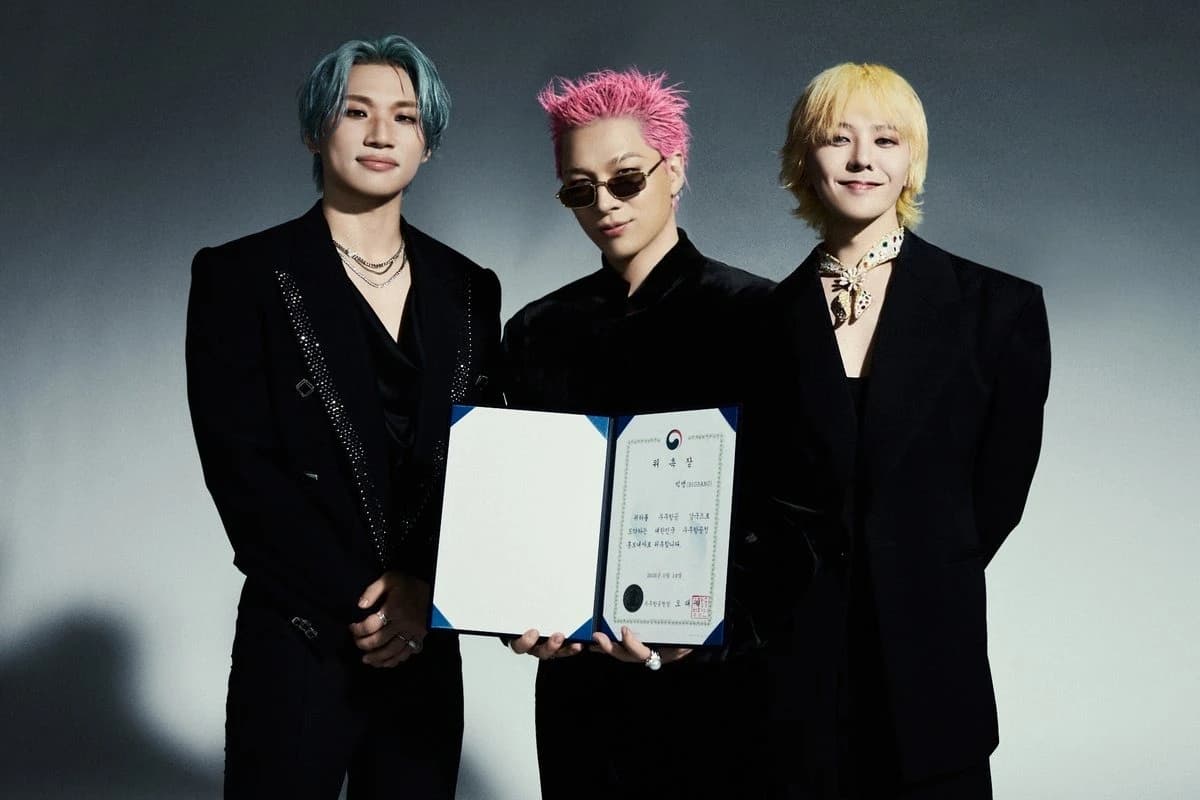
The K-Pop world, dazzling and vibrant, often holds secrets beneath its polished surface. For dedicated fans, every stage performance, airport sighting, and social media post is a canvas for deeper meaning. Among the most compelling fan theories is the concept of “silent rebellion” – the idea that K-Pop idols, bound by strict contracts and image control, sometimes use their outfits and accessories to send cryptic messages, subtle SOS signals, or express their true feelings when their voices are otherwise silenced.
The Language of Clothes: K-Pop’s Silent Rebellion
In an industry where every word is scrutinized and often pre-approved, fashion becomes a powerful, albeit subtle, medium for communication. Idols, constantly styled and dressed by their agencies, rarely have complete freedom over their public image. This perceived lack of autonomy fuels the fan theory that any deviation, any unexpected detail in their styling, might be a deliberate attempt to convey a hidden message. It’s a psychology of ‘silent rebellion’ – a quiet defiance or plea, veiled in the everyday glamour of K-Pop.
Fans theorize that these messages can range from expressing personal struggles, unhappiness with agency decisions, subtle hints about upcoming projects, or even desperate cries for help during times of scandal or controversy. When an idol might be feeling overwhelmed, restricted, or unheard, a seemingly innocuous detail on their shirt, a specific piece of jewelry, or even their overall styling could be their only outlet.

When Words Fail: The Power of Cryptic Styling
Imagine an idol embroiled in a public scandal, facing immense pressure and unable to speak freely due to legal or contractual obligations. Then, they appear publicly wearing a shirt with a cryptic phrase like “Truth Always Finds A Way” or a single accessory, perhaps a broken chain. Is it just a stylist’s choice, or is it a carefully placed signal, a desperate whisper to those who are truly listening? This is the core of the ‘silent rebellion’ theory.
The beauty and frustration of these signals lie in their ambiguity. A phrase can be brushed off as coincidence, a generic fashion statement. But for a fandom deeply invested in their idols’ well-being, these details take on profound significance. It becomes a shared secret, a collective effort to decipher the unspoken. This phenomenon creates an intense bond between idols and fans, as fans feel they are privy to an exclusive, coded conversation.
Deciphering the K-Pop Code: Coincidence or Cry for Help?
The line between thoughtful styling and a genuine SOS signal is undeniably thin. Critics argue that fans often over-analyze, projecting their own anxieties or desires onto idols’ wardrobes. However, the consistent pattern recognition by millions of observant fans across various groups and situations cannot always be dismissed as mere imagination. The collective intelligence of a fandom, pooling observations and theories, can sometimes reveal compelling connections.
This dynamic creates an intriguing challenge for fans: to discern whether a particular stylistic choice is a mere coincidence, a trendy item, or a deliberate, emotionally charged message. It encourages a deeper engagement with K-Pop content, transforming casual viewing into an active quest for understanding and connection.
Iconic MVs and Their Potential Hidden Meanings
Music videos, rich in symbolism and narrative, are often prime ground for outfit-based fan theories. While not always a direct “SOS,” outfits in MVs can amplify underlying themes of struggle, defiance, or vulnerability.
Take BLACKPINK’s “Whistle” for example. The MV showcases the members in luxurious, almost suffocatingly opulent settings. While their outfits are undeniably fashionable, some fans interpret elements like restrictive silhouettes, heavy jewelry, or caged backdrops as metaphors for the pressures and constraints of idol life. Is the whistle a call for attention, or a plea to break free from golden cages? Their powerful, confident styling could also be seen as a defiant stance against these very pressures, a silent declaration of their strength. Similarly, BIGBANG’s “HARU HARU,” an emotionally charged ballad of heartbreak and sacrifice, features outfits that subtly convey deeper emotional states. While focused on a narrative of personal pain, the styling in the MV often leans towards darker, more somber tones, with subtle accessories that hint at burdens, secrets, or internal turmoil. For fans interpreting “SOS signals,” this could be viewed as an expression of the hidden struggles idols face, not necessarily from external forces, but from the immense emotional weight of their public lives and personal sacrifices. Whether a carefully planned communication or a fascinating coincidence, the ‘silent rebellion’ theory adds an enthralling layer to the K-Pop experience. It transforms every outfit into a potential clue, making fans not just passive consumers, but active participants in deciphering the hidden narratives of their beloved idols. It’s a testament to the powerful, unspoken bond that connects idols and their fans, constantly searching for the truth beneath the surface. original article by kpop.you