K-Pop Embraces Heritage: A New Era of Global Identity
Korea’s rich cultural heritage is no longer confined to museums; it’s vibrant, alive, and taking center stage in the global phenomenon that is K-Pop. As history, folklore, and tradition become a powerful creative engine, K-pop artists are weaving the nation’s past into their music, visuals, and performances, captivating audiences worldwide and forging a truly distinct identity for the genre. This isn’t just about aesthetics; it’s about making heritage a core part of K-Pop’s global success story.
Modern takes on Korean heritage give K-pop a distinct identity that sets it apart. With K-pop now a global force, artists are increasingly drawing on Korea’s deep history, unique music, and stunning visual traditions. This isn’t just a fleeting visual motif; it’s becoming a defining element of the genre’s very identity, showcasing a profound pride in their roots.
BTS: Leading the Heritage Wave
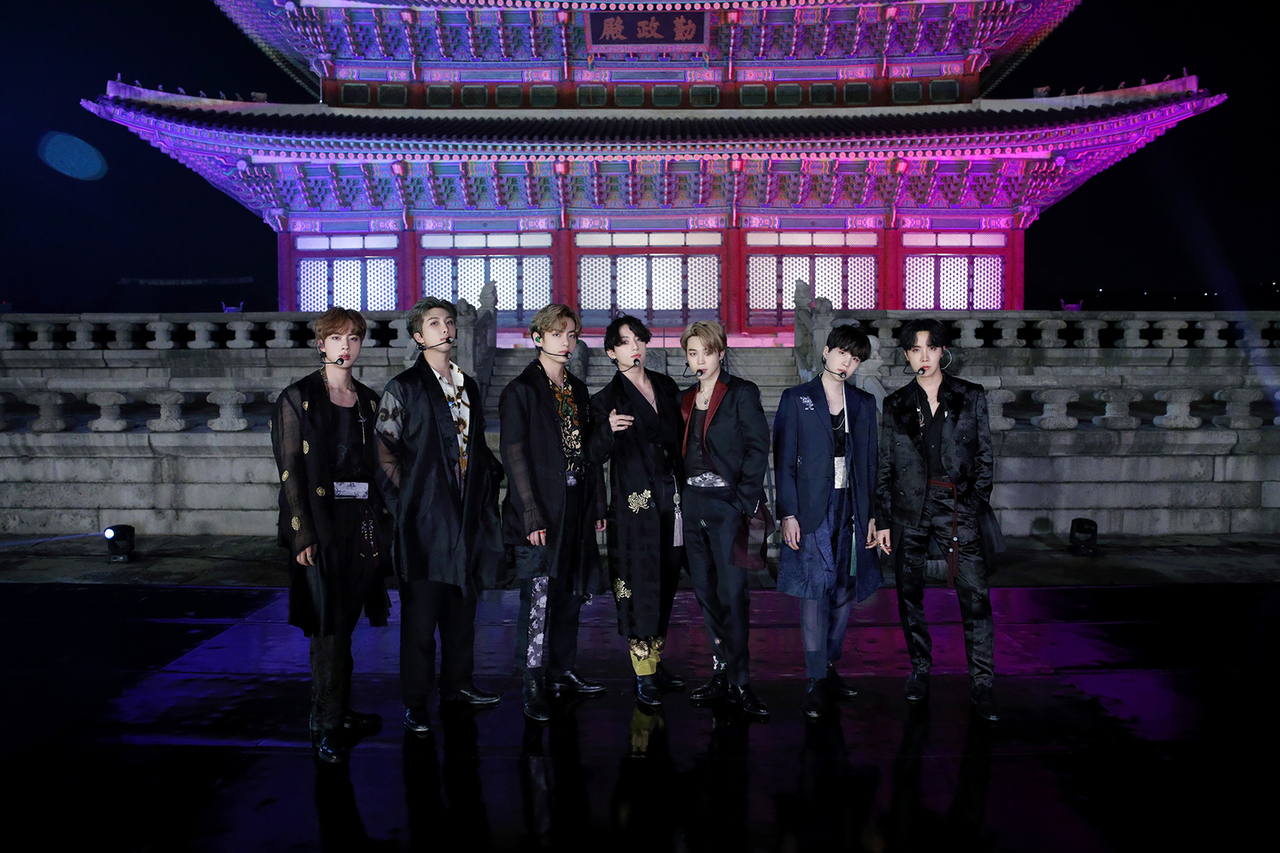
BTS has championed this evolution, leading the charge in bringing Korean heritage to the forefront of global pop culture. Long before captivating the world with an album potentially named “Arirang,” after Korea’s iconic folk song, the septet had consistently incorporated Korean heritage into their groundbreaking work. Fans widely celebrated their groundbreaking move to introduce hanbok-inspired styling during their electrifying performance of “Idol” on “The Tonight Show Starring Jimmy Fallon” in 2020. This performance also brilliantly wove traditional samulnori percussion rhythms into the track, creating a truly unique sound. Beyond the stage, BTS elevated their performances by bringing them to majestic historic landmarks like Sungnyemun and Gyeongbokgung, transforming these sites into backdrops for their artistry and giving a powerful nod to Korea’s enduring legacy.
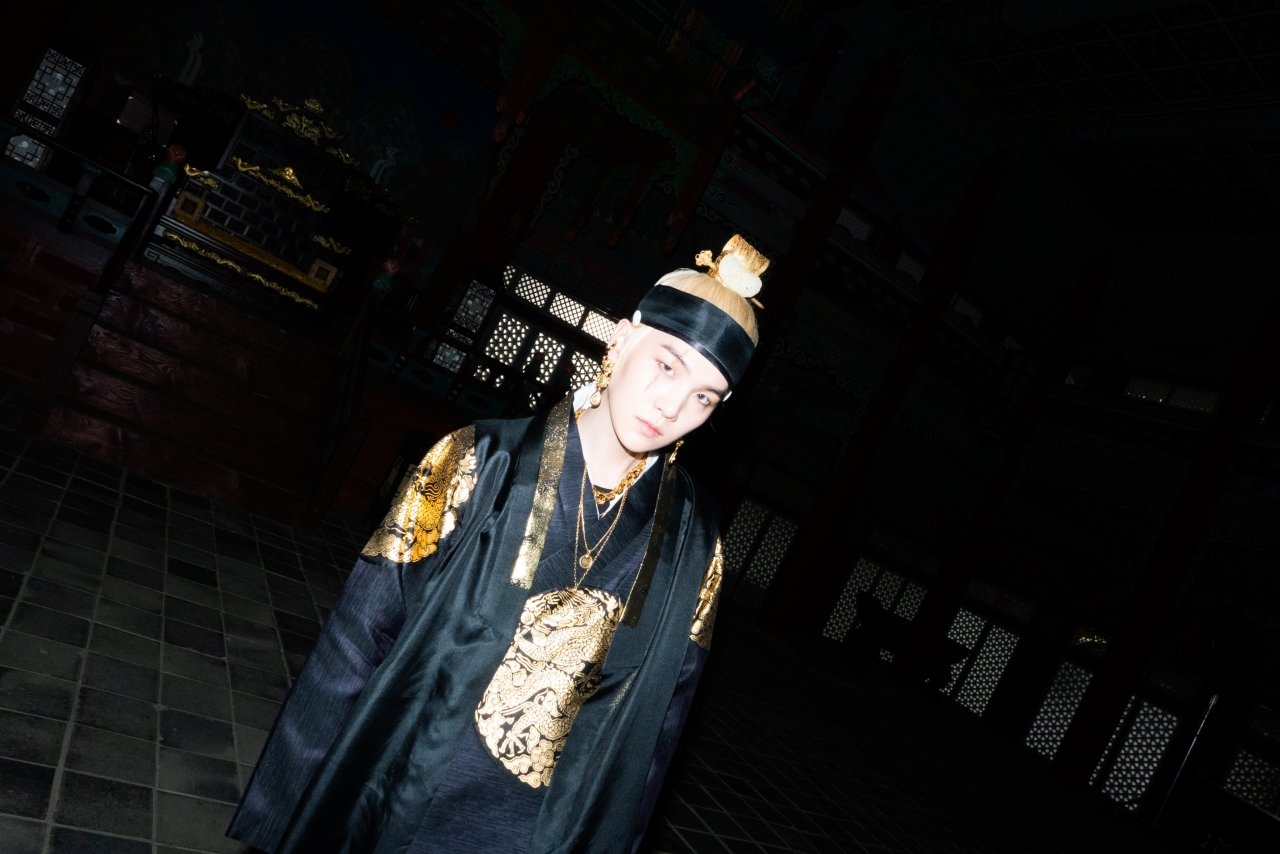
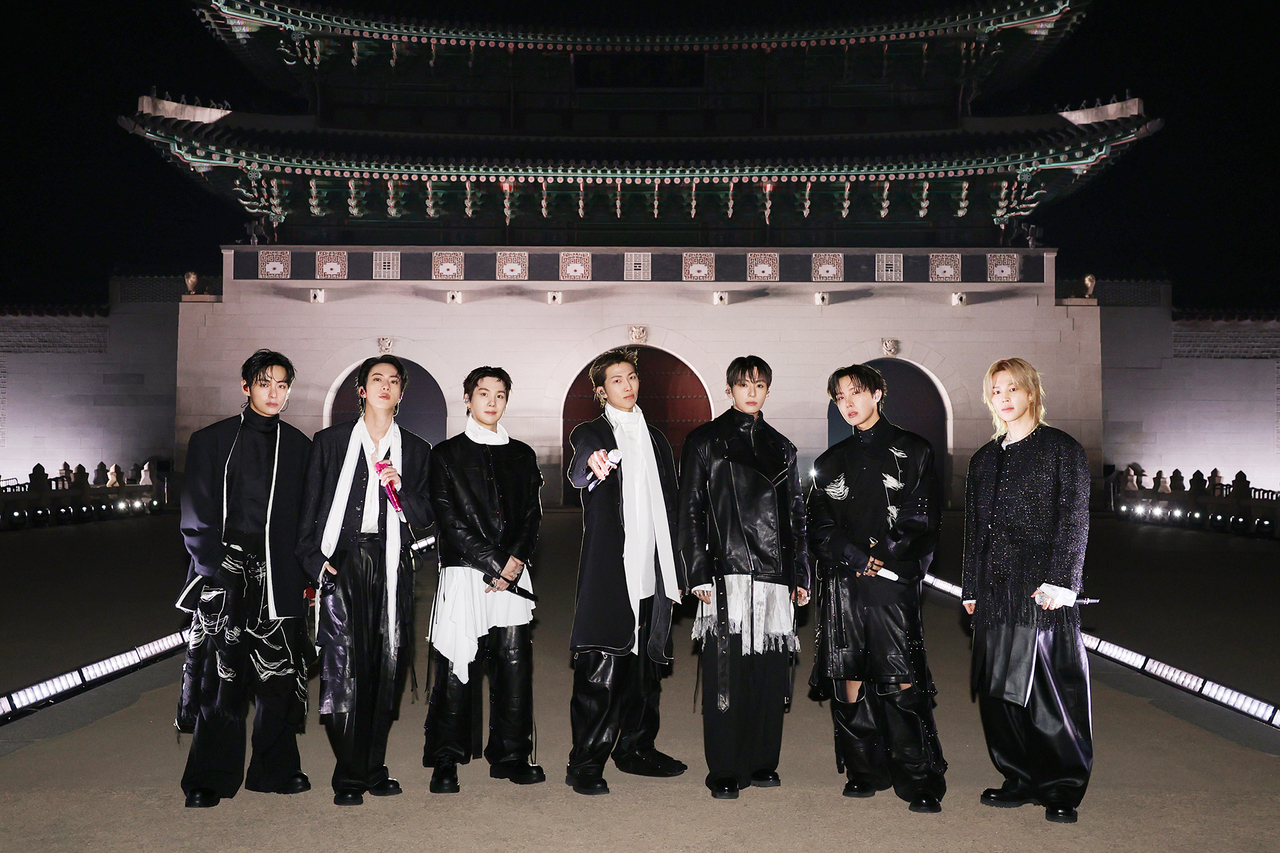
In a truly historic moment, BTS also held its first public performance following the members’ military service at the iconic Gwanghwamun Square in March, making them the first K-pop artist ever to host an exclusive live performance in this significant space. This deep exploration of heritage has even extended to solo projects, with Suga, under his formidable solo moniker Agust D, masterfully reimagining royal military procession music in “Daechwita” through stunning Joseon-era imagery, a true cinematic and sonic experience for fans.
Blackpink: Fusing Tradition with Global Glamour

Blackpink has followed a similar trajectory, cementing their status as global trendsetters while embracing their cultural roots. Their recent music video for “Go” is a breathtaking example, layering intricate traditional Korean motifs throughout its futuristic visuals. Viewers were quick to spot the incorporation of decorative patterns historically found on royal garments and ceramics, alongside elegant celadon-inspired imagery, distinct Hangeul typography, and the powerful taegeuk symbol.
Earlier music videos like the visually stunning “Pink Venom” and the impactful “How You Like That” similarly incorporated Korean elements, thrilling fans with the inclusion of traditional music instruments and breathtaking hanbok-inspired styling. These elements aren’t just background; they are integral to Blackpink’s fierce and distinct aesthetic.
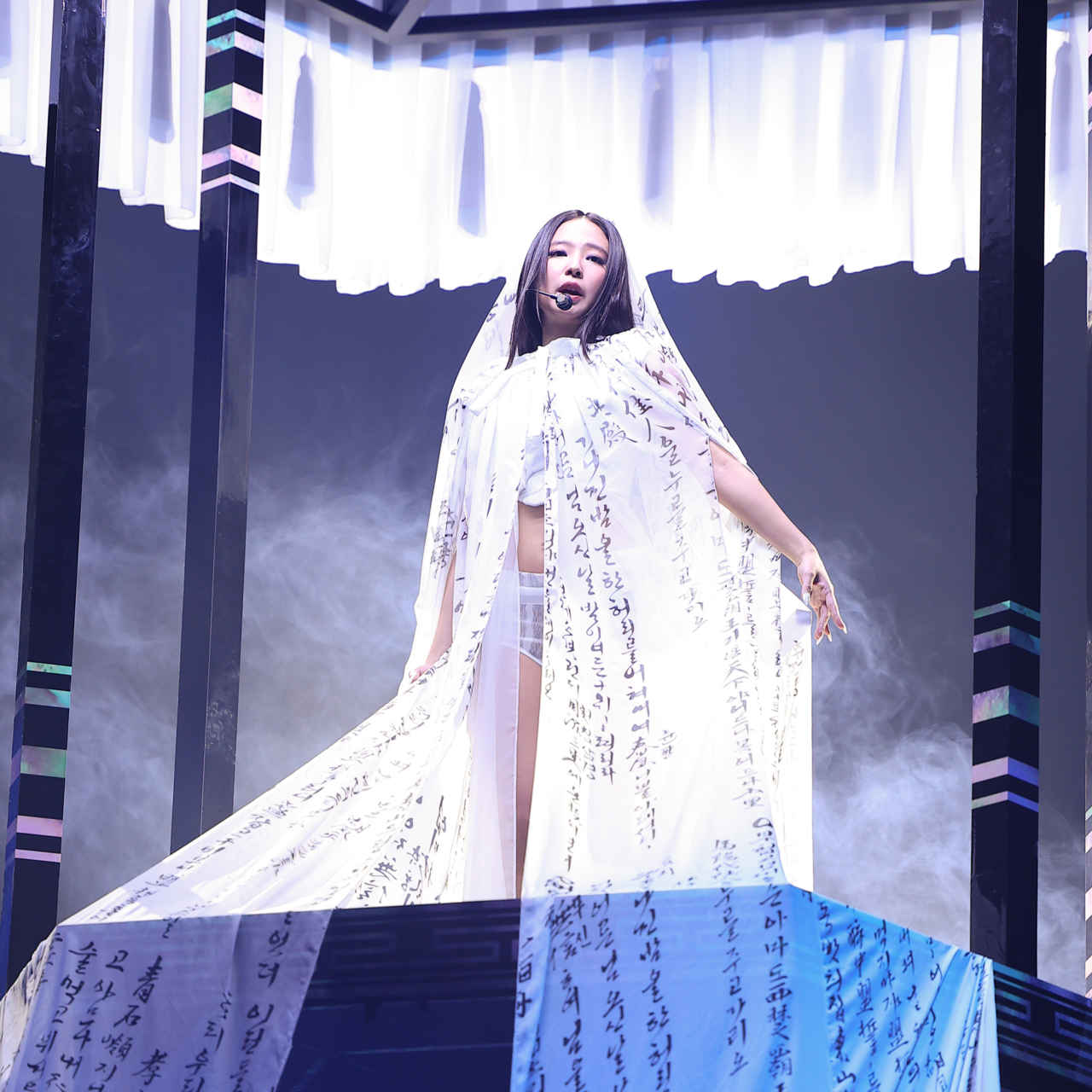
Jennie also delivered a truly unforgettable performance, referencing Korean heritage in her solo act “Zen” at the 2025 Melon Music Awards. She graced the stage wearing a magnificent 15-meter veil, intricately embroidered with verses from Cheonggu Yeongeon, a cherished traditional Korean song collection. Her costume was equally inspired, drawing from the profound beauty of the Three-story Stone Pagoda at Bulguksa, leaving fans in awe of the thoughtful artistry.
Beyond the Giants: A Genre-Wide Cultural Movement
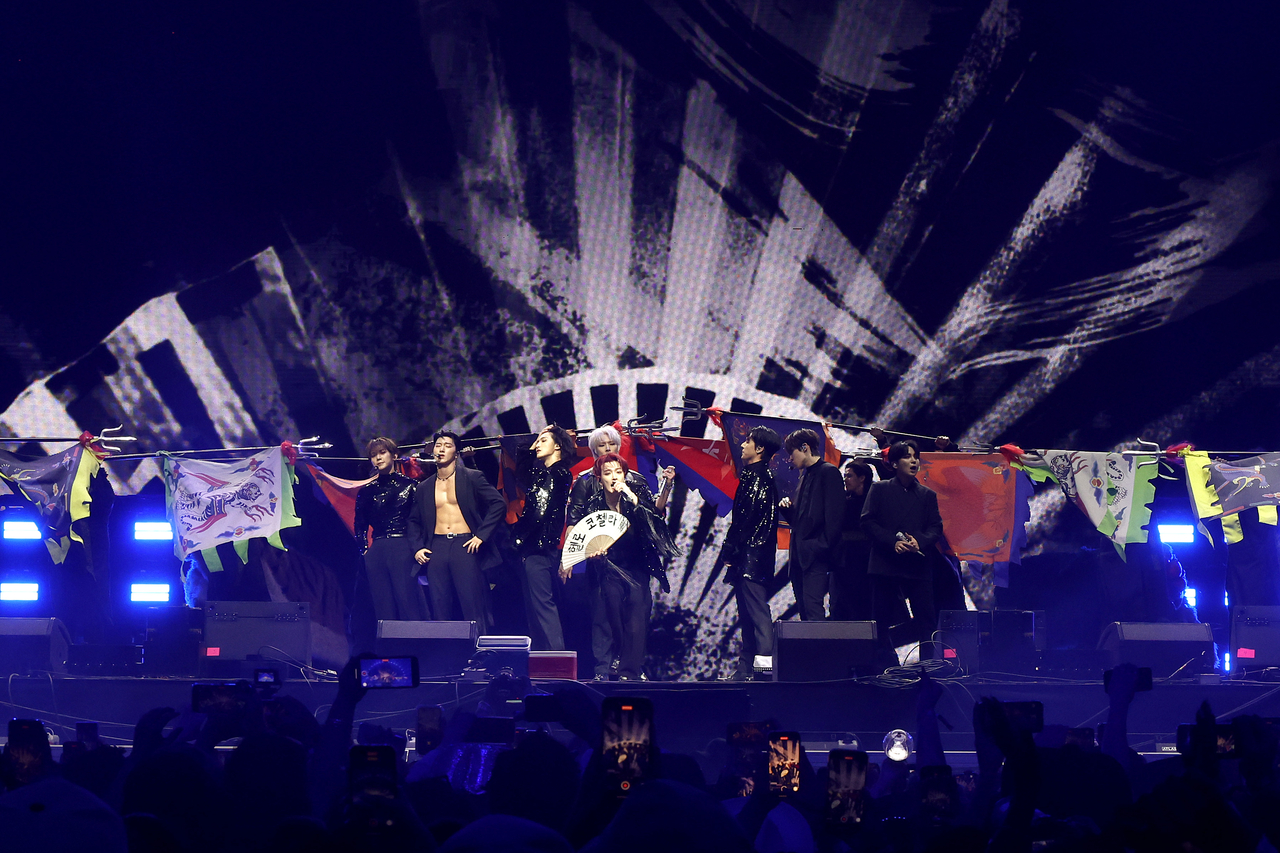
The embrace of Korean heritage, however, extends far beyond the immense influence of BTS and Blackpink, signifying a genre-wide movement. Rising stars are equally committed to showcasing their cultural background. Ateez, for instance, captivated audiences at the Coachella Valley Music and Arts Festival in 2024 during their performance of “The Real” by incorporating traditional Korean props, including striking flags depicting the Four Guardian Deities. They also stunned with mother-of-pearl-inspired visuals and dynamic talchum-inspired choreography, proving their dedication to authenticity.
Even rookie boy group Ampers&One built its impactful April comeback around the rich symbolism of the “gat” (traditional Korean hat), pairing traditional choreography with elegant hanbok-inspired styling. This widespread adoption across established and new groups alike clearly demonstrates that integrating Korean heritage is not just a trend but a foundational pillar for K-Pop’s global future, enriching the fan experience and projecting Korea’s unique story to every corner of the world.