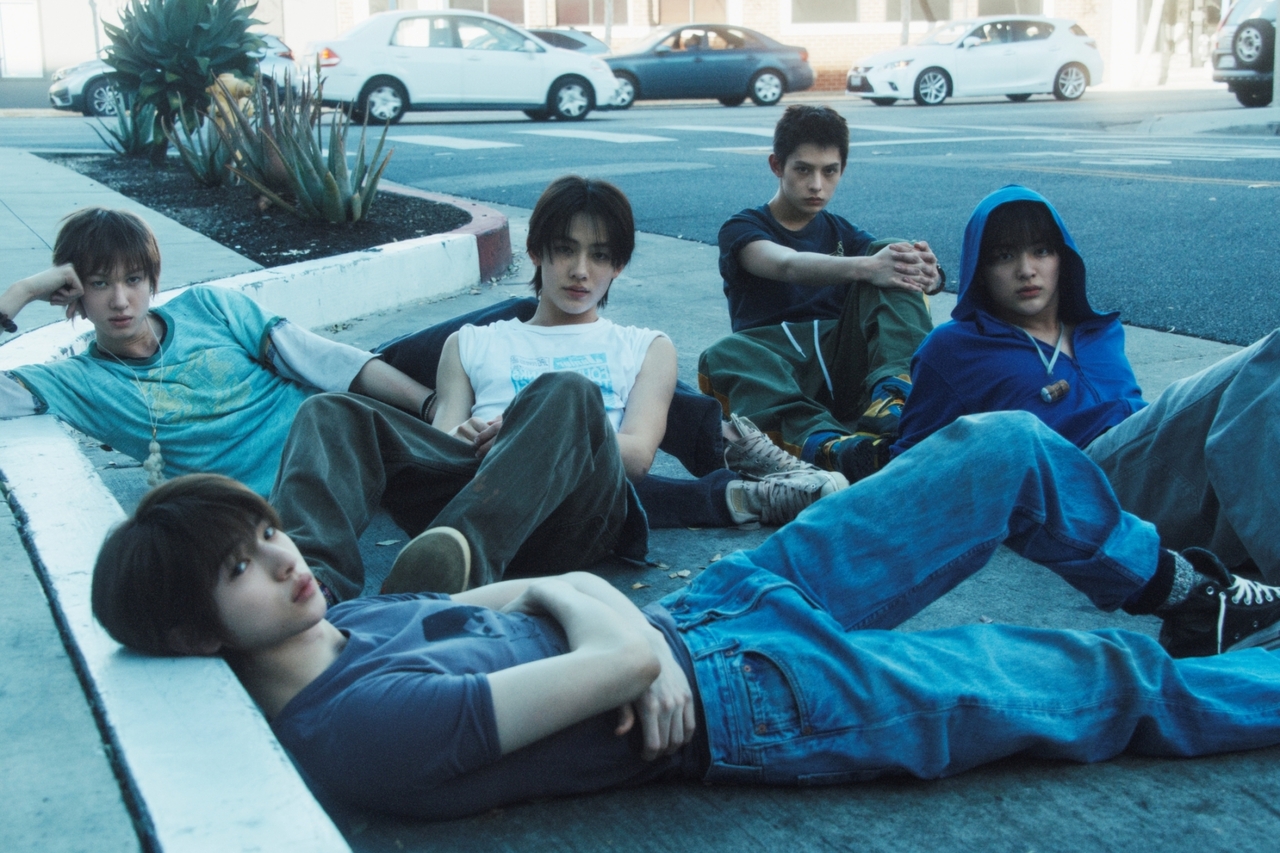

The demanding world of K-Pop puts immense pressure on idols, both physically and mentally. Recently, the discourse around idol well-being has intensified following announcements from members of the global girl group Katseye. Six months after Katseye’s Manon Bannerman stepped back to focus on her mental health, her team-mate Sophia Laforteza said she would be taking a temporary break to prioritise her mental health.
These revelations, while highlighting a crucial aspect of idol life, were met with a mixed bag of reactions online. Both members’ announcements were met with online discussions about their work ethic and commitment, though to a lesser extent for Laforteza. This response stands in stark contrast to how fans typically react to breaks necessitated by physical ailments.
The Double Standard: Physical vs. Mental Health Breaks
Consider the overwhelming outpouring of sympathy and encouragement when an idol suffers a physical injury. When Twice’s Dahyun took a break after fracturing her ankle, the reaction centred on support and wishes for a speedy recovery. Fans largely accepted the break without debate. The difference is palpable, raising a critical question that many K-Pop fans are now asking: Why do fans accept physical injuries as a reason to take a break more readily, while breaks related to mental health are looked down upon?
The answer often lies in visibility and immediate understanding. When an idol suffers a physical injury, the reason for taking a break is often obvious: They may be physically unable to dance, perform or keep up with their demanding schedules. A fractured ankle or a sprained wrist presents clear, undeniable evidence of impairment. It’s a tangible obstacle to their performance, easily understood by anyone.
Invisible Battles, Unfair Judgments
However, the battles fought within are not always so apparent. Mental health struggles, however, do not always come with visible signs, making it easier for people to dismiss them, or assume laziness or an unwillingness to work. This fundamental misunderstanding fuels the unwarranted skepticism and harsh judgments. It’s easy to label an invisible struggle as a lack of effort, rather than acknowledging it as a serious health concern that can be just as debilitating as any physical injury.
The heart of the problem isn’t that idols need breaks – they absolutely do, given their grueling schedules and intense scrutiny. The problem is not that idols need breaks; it is how we identify mental exhaustion as laziness. This harmful misconception places an unfair burden on idols, suggesting they must prove their suffering through visible wounds before their need for rest is deemed legitimate. Idols should not have to be visibly hurt before people believe that they are struggling.
Prioritizing Well-being: A New Standard
It’s crucial to understand that mental well-being directly impacts an idol’s ability to perform at their best. Just as a dancer with a broken leg cannot perform complex choreography, an idol battling severe anxiety or burnout may struggle with stage presence, vocal delivery, or even interacting with fans. Mental health can affect an idol’s ability to perform just as much as a physical injury can.
The K-Pop industry and its dedicated fanbase are evolving. It’s time for our collective empathy to expand beyond visible ailments. We must foster an environment where idols feel safe to address their mental health without fear of backlash or accusations of lacking commitment. Perhaps it is time to stop asking whether someone is “hurt enough” to deserve a break and start recognising that the person’s well-being matters too.
This insightful perspective was articulated by Harshitha Ganesan, 14, Secondary 2, and reflects a growing awareness among younger fans about the importance of mental health in the K-Pop world.