
The Enduring Significance of K-Pop Album Sales
One of the most significant parts of the K-Pop experience these days is the release of physical albums, as they are viewed as collectibles. Some groups have reached a million, or even double a million, sellers, while others’ low sales have also attracted attention. These figures aren’t just commercial data; they’re seen as a powerful indicator of a group’s popularity, fan dedication, and overall industry standing.
Recently, a well-known group’s “low” album sales triggered mixed reactions. This immediate fan and media response underscores just how deeply intertwined album performance is with a group’s narrative in the K-Pop world.
KARD’s Emotional Journey and “Back To Life” Release
Earlier this year, it was initially announced that KARD would be releasing their last album. This news sent ripples through the K-Pop community, as the co-ed group has long been cherished for their unique sound and global appeal, carving out a distinct niche in the industry.
Since then, it has been amended that the group is just going their separate ways rather than disbanding, but many have kept the mind set they are disbanding. The group’s release, “Back To Life,” was officially released on July 29. The lingering perception of an impending disbandment undoubtedly added an emotional layer to this comeback, making fans eager to support what they believed might be a final chapter.
Unpacking KARD’s Initial Sales Figures and Fan Reactions
The group’s first day of album tracking documented 864 sales, and has recorded 4379 across four days. These initial numbers quickly became a focal point of discussion among K-Pop enthusiasts and industry observers alike.
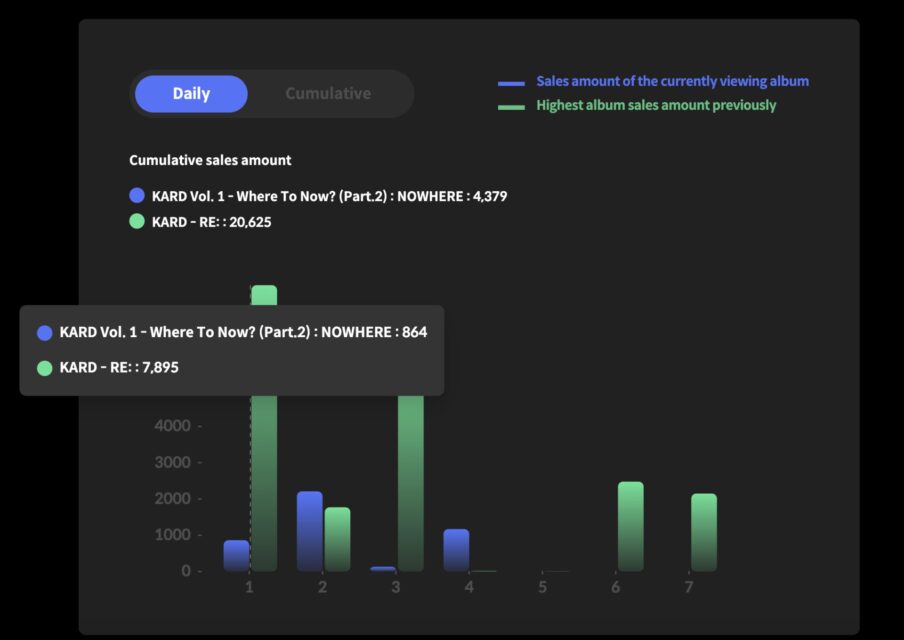
This information has been reposted to X, where netizens weighed in on the stats. Many were surprised by the lower than expected sales, as the group’s alleged disbandment garnered much attention. The discourse highlights the complex interplay between group news, fan sentiment, and album performance. Fans are left pondering whether these sales accurately reflect KARD’s dedicated fanbase or if the initial confusion surrounding their status impacted buying decisions.
You know what I find insane about stan twitter? Tens of thousands of quotes saying they were sad about a disbandment yet not even 1000 of you bought the album. Ridiculous tbh. You wonder why groups leave…. https://t.co/HXMQpCKlGj
— Kirsty🏳️🌈ˢᵃʷ ᴰᶦᵒⁿʸˢᵘˢ ⁺ ᴸᶦᶠᵉ ᴳᵒᵉˢ ᴼⁿ (@JKJeonEuphoria) July 28, 2026
genuinely where did all the people talking about their disbandment go?? so loud but then yall dont even acc support them 💀💀💀 pic.twitter.com/sehXMqD2Kk https://t.co/7yDI0KfwJu
— ⋆˚࿔ isabel 𝜗𝜚˚⋆ྀི (@afragilelinee) July 28, 2026
Likes are not real life. I wish the thousands of likes that this group has were reflected in sales or streams. But they only appear to get attention or drag other groups. https://t.co/WlTVVVh6rE
— adpyyyyy (@AdPenjoyer12322) July 28, 2026
Not even 1/3 of the ppl who liked this tweet bought the album 💀💀💀 https://t.co/4qA4lo9olu pic.twitter.com/AaSAwxGgbG
— MaRy (@8lo8lodrgn) July 29, 2026
The K-Pop community continues to closely watch KARD’s trajectory, analyzing what these initial sales figures could mean for the group’s future endeavors and the broader conversation around artist longevity in a competitive industry.