
K-Pop survival shows have become an inescapable force, shaping the careers of countless idols and the landscape of the industry itself. From intense training camps to nail-biting elimination rounds, these programs captivate audiences worldwide, offering a raw glimpse into the journey of becoming a K-Pop star. But not all survival shows are created equal. We see two distinct models: the “internal” company-led show and the “national” audience-driven competition. These two approaches fundamentally impact the skills, cohesion, and initial popularity of the groups they form, creating vastly different debut trajectories.
The Company’s Crucible: Internal Survival Shows
Imagine a talent pool cultivated entirely within the confines of a single, powerful entertainment agency. This is the essence of an internal survival show. Here, the company holds the reins, meticulously crafting its next-generation group according to its unique vision and artistic direction. Trainees, often having trained together for years, compete not just for a spot but for the validation of their mentors and the trust of their agency.
Crafting Cohesion: The BIGBANG & Stray Kids Blueprint
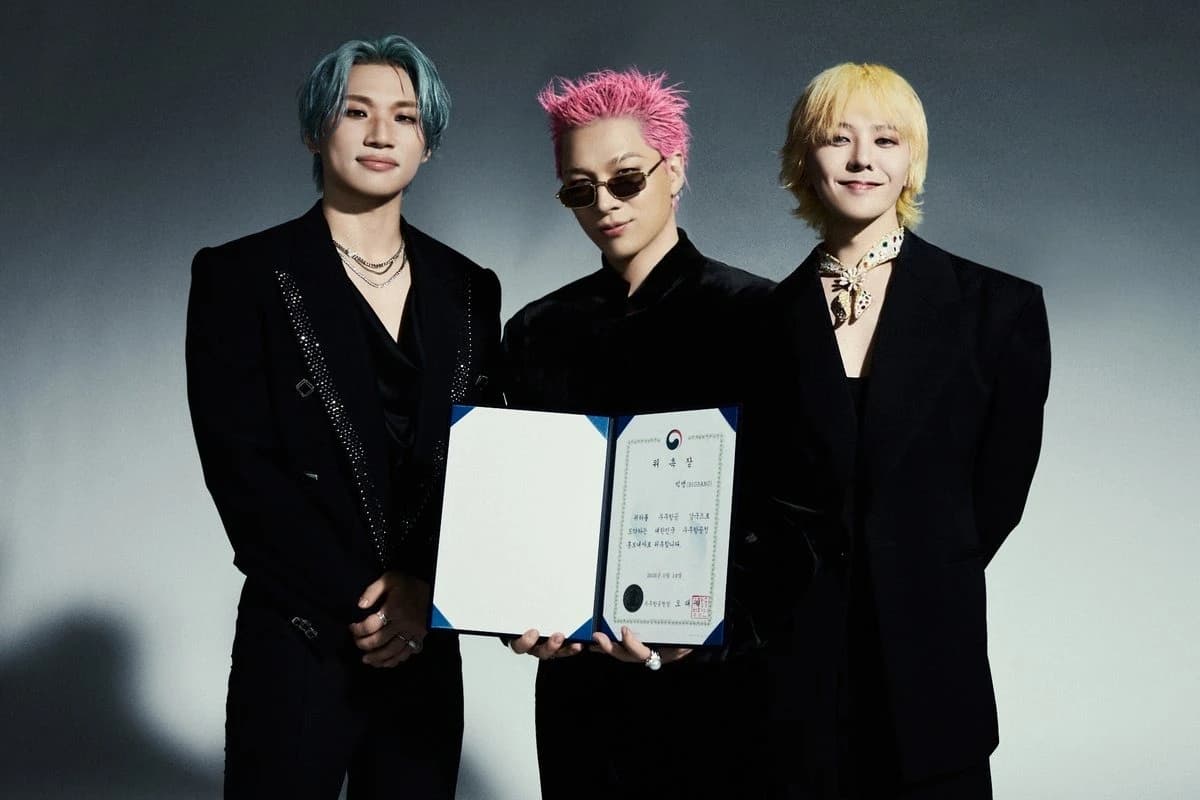
Pioneering this model, YG Entertainment introduced the world to BIGBANG through their 2006 documentary [ https://www.youtube.com/playlist?list=PLP3G9Wp-2tP2K8t9H7K8j5yH2T4S4mX6B ]. This show chronicled the rigorous selection process, emphasizing the unique talents and personalities YG sought to blend into a cohesive, genre-defying group. The members were chosen for their distinct styles, but ultimately, it was the company’s decision to form BIGBANG.

Similarly, JYP Entertainment presented “Stray Kids” in 2017 [ https://www.youtube.com/playlist?list=PLpTq0T438k7qS1_S3eK2T-7yJ8f7H8X9B ], a show where Bang Chan had already formed a pre-debut unit of members who were put to the test. The stakes were high: prove their worth as a self-producing, self-sufficient team, or face elimination. This format focused on testing their chemistry, leadership, and ability to work together under pressure, all while adhering to JYP’s artistic standards. The result? A group known for their powerful self-composed music and unparalleled stage presence.

Skills First, Vision Always
Groups emerging from internal survival shows often possess a remarkably strong artistic identity and a deep-seated understanding of their company’s musical philosophy from day one. The focus is heavily on refining skills – singing, rapping, dancing – to meet the agency’s high standards, and ensuring a natural, almost familial, synergy among members. Their debut, like Stray Kids’ “Hellevator,” is typically a polished showcase of their honed abilities and the company’s vision for their sound.
Initial popularity for these groups might build more organically, driven by the quality of their music, performances, and the company’s strategic marketing, rather than pre-debut fan voting. They debut with a clear direction, a cohesive team built by design, and the immense backing of their parent company.
The Nation’s Choice: “National” Survival Shows
On the other end of the spectrum are the “national” survival shows, epitomized by Mnet’s wildly successful “Produce” series and “Boys Planet.” These shows invite trainees from dozens of different agencies (or even independent trainees) to compete, but the power lies squarely with the audience. Viewers “produce” the group, casting votes that determine who makes the final lineup.
Market-Driven Magic: The Wanna One & ZEROBASEONE Phenomenon
“Produce 101 Season 2” created the legendary project group Wanna One. Fans were not just voting for talent; they were voting for their “pick,” forming an emotional bond with individual trainees even before debut. This fan-driven model created an immediate, colossal fanbase, ensuring Wanna One debuted with unprecedented levels of popularity.

More recently, “Boys Planet” gave birth to ZEROBASEONE (ZB1), following a similar formula. The show emphasized each trainee’s unique charm, backstory, and performance prowess, allowing a global audience to decide the final nine members. This mechanism guarantees that the debuting group already has a massive, dedicated following spanning various demographics and international borders.

Instant Stardom, Diverse Appeal
The most significant advantage of national survival shows is the instant, explosive popularity they generate. Groups like Wanna One and ZEROBASEONE debut as household names, with millions of fans already invested in their journey. The members often come from diverse backgrounds and companies, leading to a wide array of skills and charms that appeal to a broad audience. Their debut, such as ZEROBASEONE’s “In Bloom,” is met with immediate chart success and fervent fan support.
However, this model can also present challenges. The group’s cohesion might take time to develop, as members from different agencies and with varying training styles must learn to work as a unified team. While individual popularity is immense, creating a single, cohesive group identity can be a more complex journey than for company-curated teams.
Two Paths, Different Foundations: Skills vs. Popularity
The distinction between internal and national survival shows boils down to “Company’s Choice (Controlled)” vs. “Audience’s Choice (Market-Driven),” leading to different strengths right from the start:
- Skills & Cohesion (Internal): Groups like Stray Kids and BIGBANG often debut with a refined, synchronized skillset and a pre-established team dynamic. Their synergy is usually a result of years of training under a single system and the company’s careful selection for complementary talents. Their artistic direction is strong and clear from day one.
- Popularity & Diverse Appeal (National): Groups like Wanna One and ZEROBASEONE launch with immediate, immense popularity. Each member brings their own pre-existing fandom and unique appeal, creating a diverse group that instantly resonates with a wide audience. While individual skills are high, blending these diverse talents into a seamless unit and establishing a collective identity is a post-debut process.
The Enduring Impact on K-Pop’s Landscape
Both types of survival shows have carved out irreplaceable niches in the K-Pop industry. Internal shows continue to be a powerful tool for agencies to scout, train, and debut groups that perfectly embody their unique brand and musical direction, ensuring a strong foundation built on artistic vision and teamwork. National shows, on the other hand, democratize the idol selection process, giving fans unprecedented power and creating groups with unparalleled initial buzz and global reach.
Ultimately, whether crafted by a company’s meticulous hand or chosen by the collective voice of millions, K-Pop survival shows continue to be a fascinating, high-stakes journey that produces some of the most dynamic and beloved artists in the world. Each method, with its distinct advantages and challenges, contributes to the rich, diverse, and ever-evolving tapestry of K-Pop.
original article by kpop.you