FIFTY FIFTY Athena’s TikTok Ignites Sexualization Debate
The K-Pop world is once again buzzing with conversation, this time centered around FIFTY FIFTY’s Athena. Her recent TikTok has ignited a passionate, and often contentious, debate about the sexualization of female idols. FIFTY FIFTY Athena‘s bold new TikTok has sparked a heated debate about sexualization.

From Viral Visuals to Content Controversy
When Athena was announced as a member of FIFTY FIFTY, the idol went viral for her visuals. Known for her striking beauty and captivating stage presence, Athena quickly became a fan favorite. Her initial introduction as a FIFTY FIFTY member saw her visuals lauded across social media, instantly marking her as an idol to watch.
This prior recognition of her appearance makes the recent controversy even more complex. Fans have been eagerly following her activities, and her latest social media update certainly got attention, though perhaps not entirely in the way some expected. Recently, Athena shared a TikTok video dancing in a tight white T-shirt. The video, which quickly circulated online, featured Athena confidently performing a dance challenge in a form-fitting white T-shirt.
@we_fiftyfifty
The Heated Debate Unfolds: Sexualization or Scrutiny?
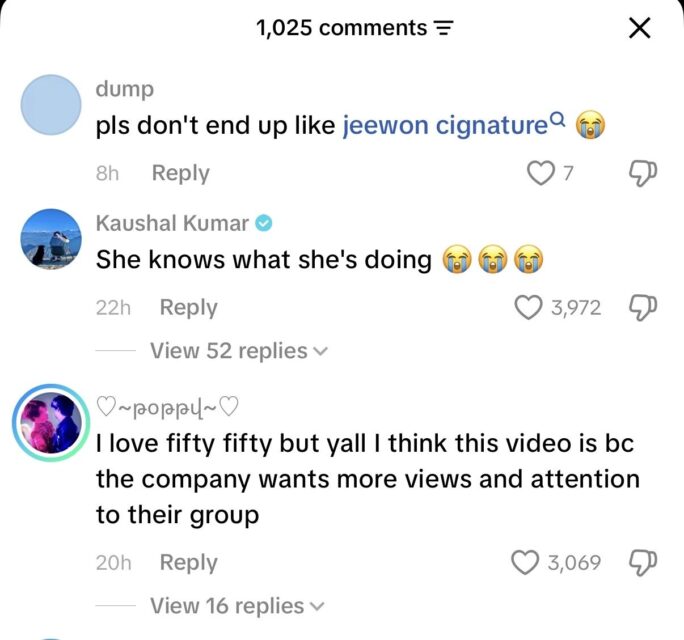
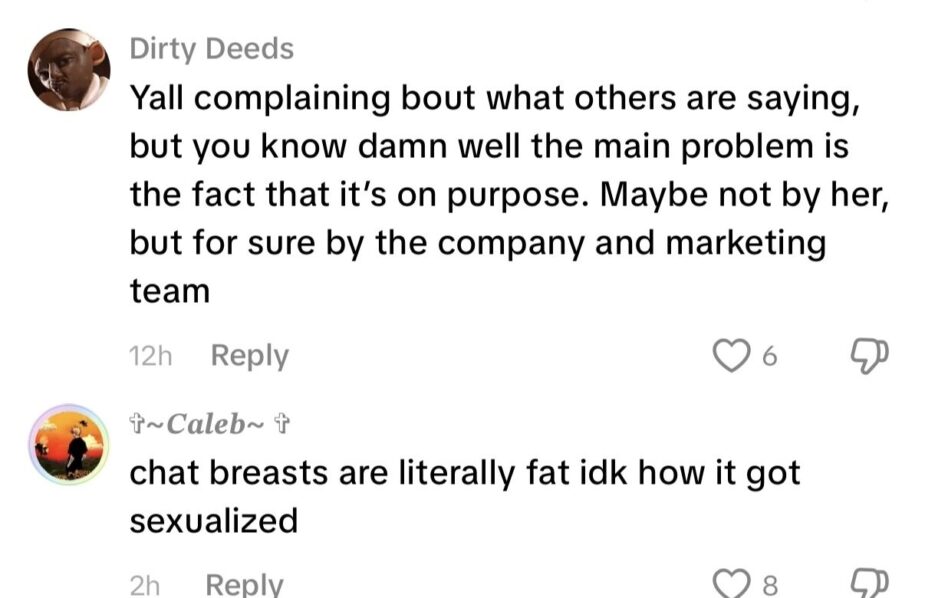
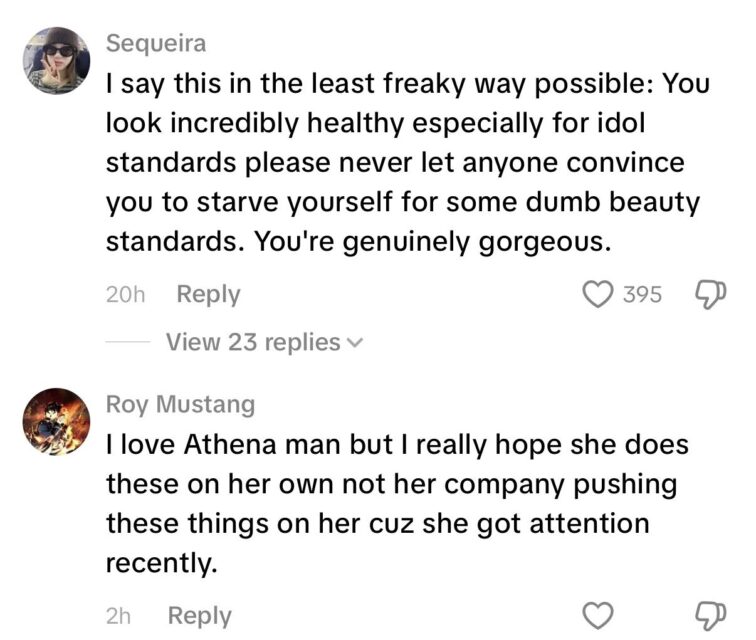
While some netizens loved the video, it did spark a heated debate about the sexualization of the idol. Some worried that the company had made her do this dance in a specific way to gain attention, while others didn’t understand why female idols were always sexualized for anything they do, including normal things like wearing tight clothes and having breasts. The comments section and various online forums erupted with discussion. Supporters praised Athena’s confidence and natural charm, seeing the video as a playful and authentic expression. However, a significant portion of the debate centered on the perceived sexualization of Athena. Many netizens expressed concern, suggesting that her agency might be intentionally pushing a certain image to garner buzz, exploiting her popularity. On the other hand, a strong counter-argument emerged, questioning the double standards in K-Pop, where female idols are frequently sexualized for seemingly innocuous actions, like wearing common attire or simply existing in their own bodies. This segment of fans highlighted the absurdity of policing an idol’s appearance, especially when it involves everyday clothing choices.
Beyond the Outfit: K-Pop’s Enduring Double Standards
This isn’t an isolated incident in the K-Pop industry. Female idols consistently face intense scrutiny over their outfits, dance moves, and overall presentation. What might be considered a normal fashion choice or a standard dance move for male idols or non-celebrities can often be misinterpreted or deliberately sexualized when a female idol performs it.
Idol Autonomy vs. Industry Pressure
The core of the debate touches upon the agency of idols versus the commercial pressures of the industry. Are idols truly free to express themselves, or are their actions often guided by marketing strategies designed to generate attention, even if it leads to controversy? These questions are particularly sensitive when it involves younger idols or those new to the scene, like Athena.
Fan Protection and The Bigger Picture
Many fans leaped to Athena’s defense, emphasizing that she should be judged on her talent and performance, not on how her clothing is interpreted by others. They argued that the focus should be on celebrating her artistry rather than dissecting her attire for perceived provocations.

Ultimately, the discussion around Athena’s TikTok highlights a recurring tension within K-Pop fan culture: the desire for authentic idol expression versus the constant struggle against objectification and unrealistic expectations placed upon female artists. It serves as a stark reminder of the ongoing conversation about autonomy, image, and the gaze directed at women in entertainment.
As the debate continues to unfold, it prompts important reflection on how we consume content and the responsibility of both companies and audiences in fostering a healthier environment for K-Pop idols.