
Daniel (Kyu) Breaks Silence on I-LAND Trauma
Recently, former I-LAND contestant Daniel, also known as Kyu, broke his silence on the trauma he endured during the survival program. His candid revelations have reignited important conversations within the K-Pop community regarding the mental health and well-being of young trainees on highly competitive shows. Daniel, who was only 14 at the time of his participation in I-LAND, spoke out about the immense pressure, emotional toll, and the lasting impact the experience had on him. His statement resonated deeply with many fans who have long advocated for better support systems for aspiring idols.
Unpacking the Demands of Survival Programs
He described feelings of isolation and overwhelming stress, recounting how the dream he once pursued became a source of significant personal struggle. This brave confession shines a light on the often-unseen darker side of the K-Pop trainee system, particularly for those who enter at a young age without adequate emotional preparedness or robust support mechanisms. The intensity of I-LAND, known for its rigorous evaluation and elimination process, undoubtedly placed immense strain on all contestants, but especially on the younger ones. The K-Pop world, known for its passionate fandoms, quickly reacted to Daniel’s statement. While a significant portion of fans expressed overwhelming sympathy and solidarity, praising his courage for speaking out and highlighting the urgent need for industry reform concerning mental health and child protection.
Former I-Land contestant Daniel breaks his silence on the Trauma he faced on the survival show.
He stated he was 14 at the time and they wouldnt let him call his parents and cut off all contact,so he would cry in his closet.He also stated cameras where rolling 24/7 for 3months. pic.twitter.com/rbJti931CT
— Boygroups Media (@kbgmedia) August 20, 2026
“I don’t know where to start this, but K-Pop f*cked me up. Most people probably know me from the program ‘I-LAND’. Some might know me as a problematic kid.
I was like 13-14 at that time, I was in the show. I feel like that’s when I learned about life for the first time. It was actually crazy for me because that show kind of made me famous. The first reason I went on that show was because I wanted to be famous. I wanted to be someone else, a singer. That’s the main reason why I got into the show. I dont’ know, it gave me trauma.
We were in a studio for three whole months. It was a massive studio. and it was dusty as f*ck. They wouldn’t even let me call my parents. While I was on the show, I missed my parents so bad. I couldn’t even get like any contact from my parents. But once I had like a panic attack. I was in the training room, and the camera was rolling 24/7. My body just stopped and I don’t know why but I was just crying. I just ran into the closet and crawled inside the clothes. I heard the footsteps and he was a part of team. He just hugged me and said, ’The adults are sorry’. That really helped me a lot. There were no adults who spoke to me like that. It’s a very viral program so everyone was lke very ’spikey’.
They just started sh*t-talking about my parents and everyone. Bro, I was 14. I was kind of stunned to hear that and there was a lot more. I was still the youngest…I was too young, I was a kid. Somehow I got into the finals, and when I got out of the show and I went to school and everyone knew me. Even on the street they were asking me for pictures and everything. It was a lot for me back then.”
— Daniel
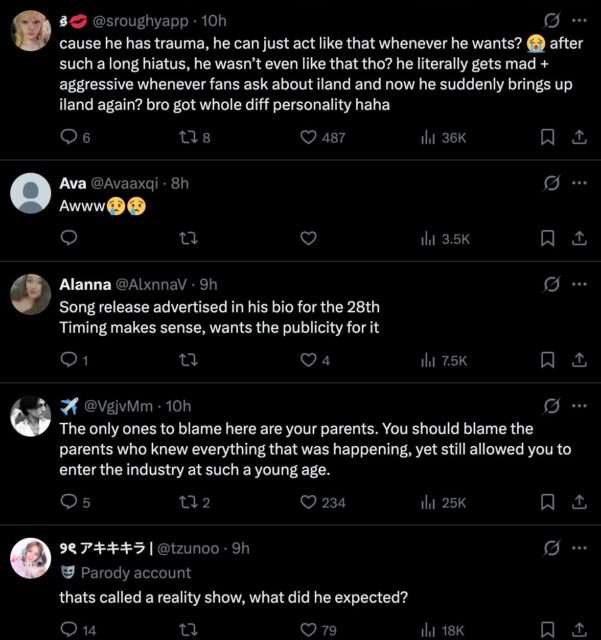
However, netizens expressed divided reactions with some blaming the parents, while others felt he was talking about it again for publicity for his upcoming music.
Netizens React: Sympathy vs. Scrutiny
The criticism directed at Daniel’s parents raised questions about the responsibility of guardians in allowing minors to enter such demanding environments. Some argued that parents should have better protected their child from the known pressures of survival shows, questioning whether the pursuit of a dream overshadowed the child’s immediate well-being. This perspective often comes from a place of concern for young artists, yet it also risks oversimplifying complex family decisions.
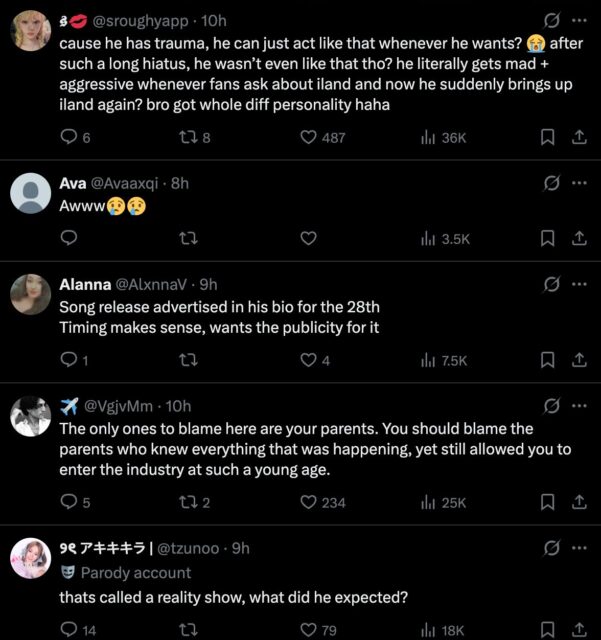 The accusation of using his past trauma for ‘publicity’ for upcoming music is a common, though often cynical, reaction seen in the K-Pop landscape. While it’s true that artists might gain attention when sharing personal stories, dismissing genuine accounts of trauma as mere marketing tactics undermines the very real struggles many individuals face. Daniel’s recent activities, including hints of new music, inevitably fueled these speculative reactions, forcing a conversation about the difficult balance artists must strike when sharing their vulnerabilities.
A Broader Look at K-Pop Mental Health
Daniel’s candidness, irrespective of the mixed reactions, serves as a crucial reminder of the ongoing mental health crisis within the K-Pop industry. His voice adds to a growing chorus of former and current idols who have bravely shared their experiences, pushing for greater transparency, better psychological support, and a re-evaluation of the rigorous demands placed on trainees and debut idols. This continuous dialogue is essential for fostering a healthier, more sustainable environment for aspiring K-Pop stars and ensuring that their well-being is prioritized alongside their talent and potential.